LearningGeography
Text
The Geography Department seeks to offer a broadly balanced curriculum that integrates both human and physical geography. Schemes of work have been carefully updated to ensure learning is increasingly place-based rather than purely topic-based. For example, studying a country such as Brazil in Year 7 enables pupils to explore the interconnections between human and physical geography in a meaningful and contextualised way.
We aim to encourage increasingly nuanced geographical thinking, enabling pupils to explain processes and concepts with growing detail and complexity. Opportunities are regularly taken to link learning to current events and wider geographical issues, particularly within topics such as Brazil, energy, the environment and tectonic hazards. Teachers are encouraged to reference contemporary events wherever possible, helping to stimulate curiosity and bring Geography to life.
The department embraces the school’s aim of ‘Excellence in Education’ within a geographical context, which is reflected in the following core principles:
-
Environment – developing understanding of physical and human conditions on Earth, fostering concern and responsibility
-
Excitement – instilling a sense of wonder at the natural world and the power of physical processes
-
Empathy – encouraging informed understanding of different cultures and lifestyles
-
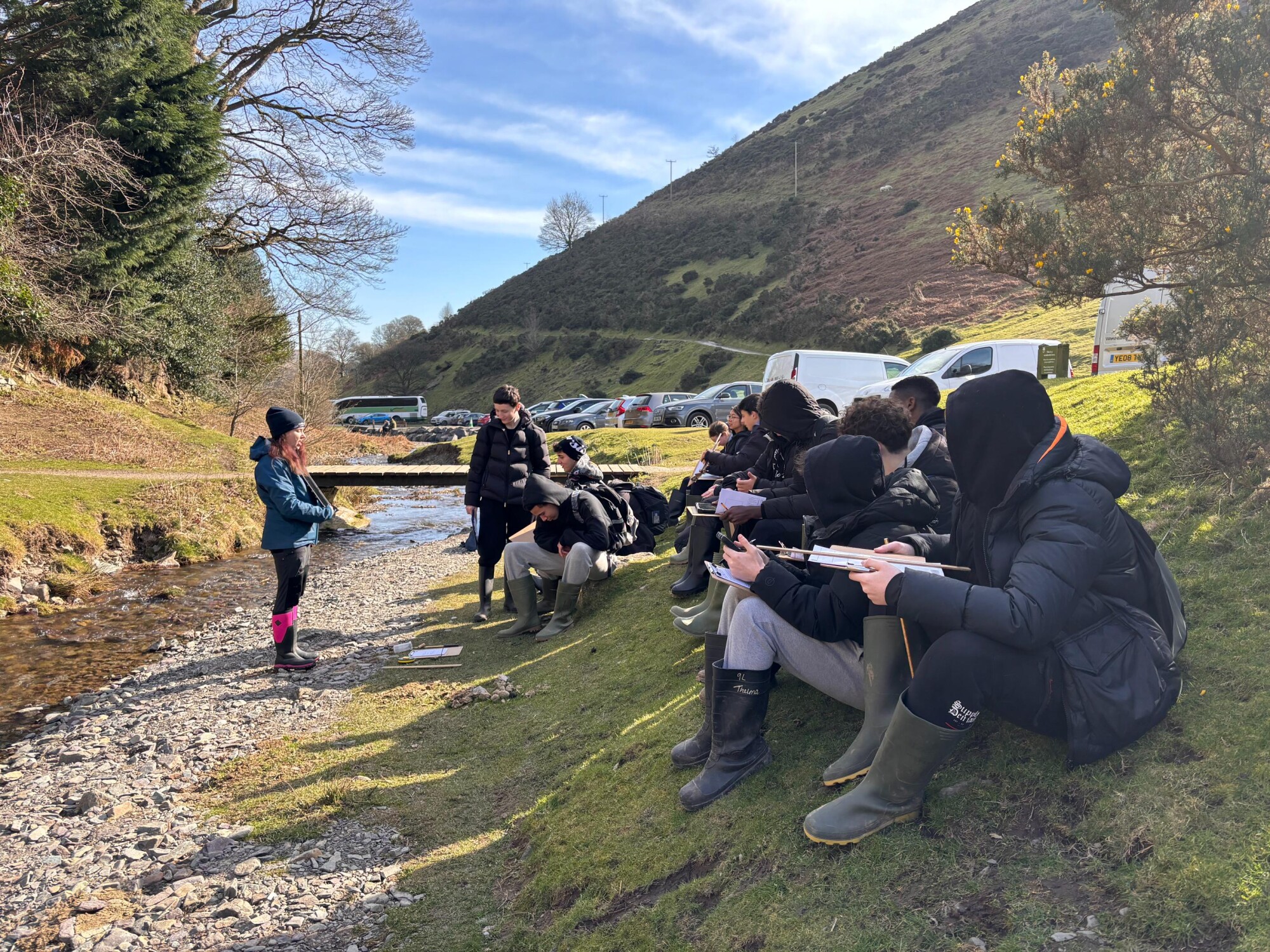
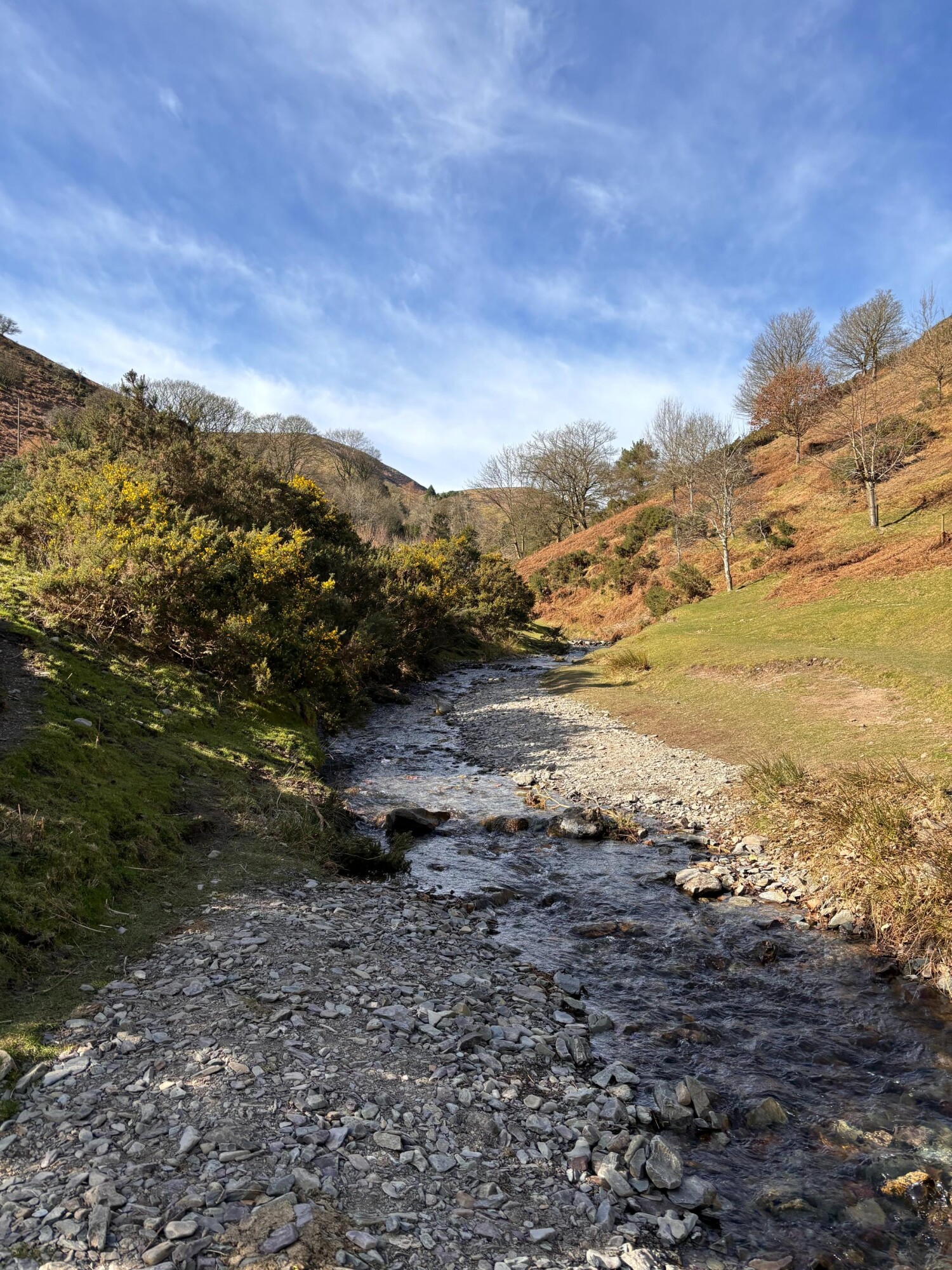
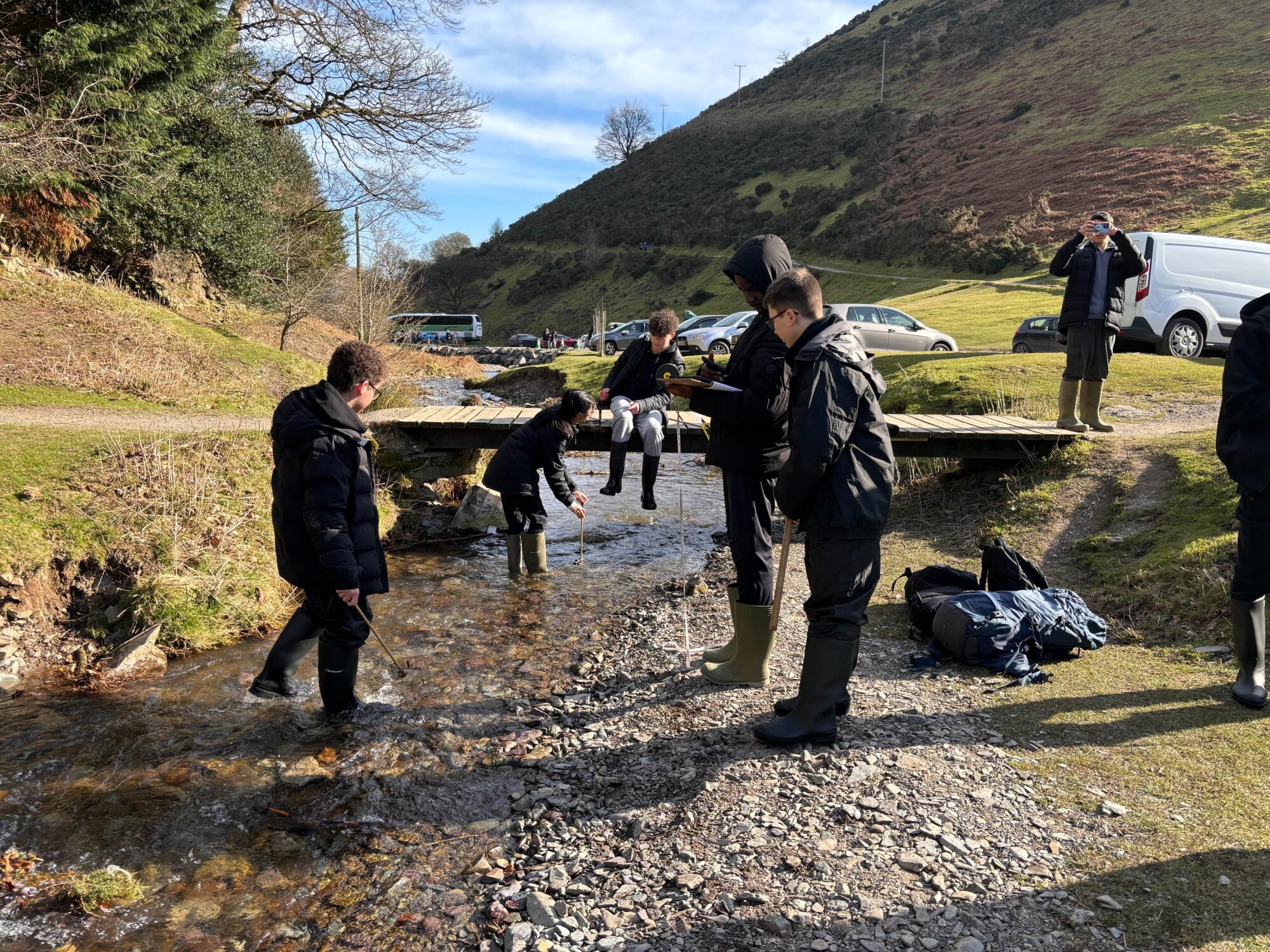
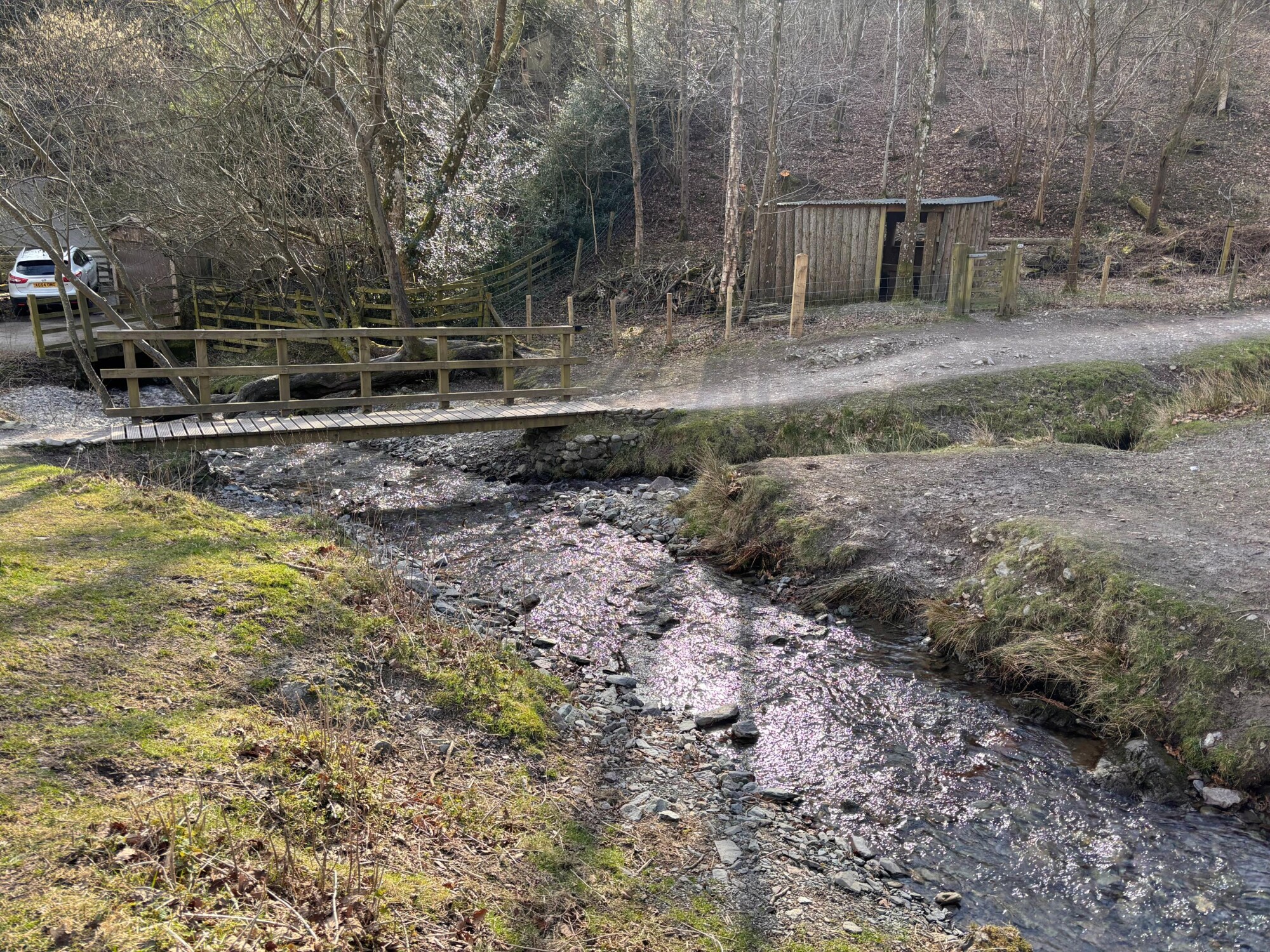
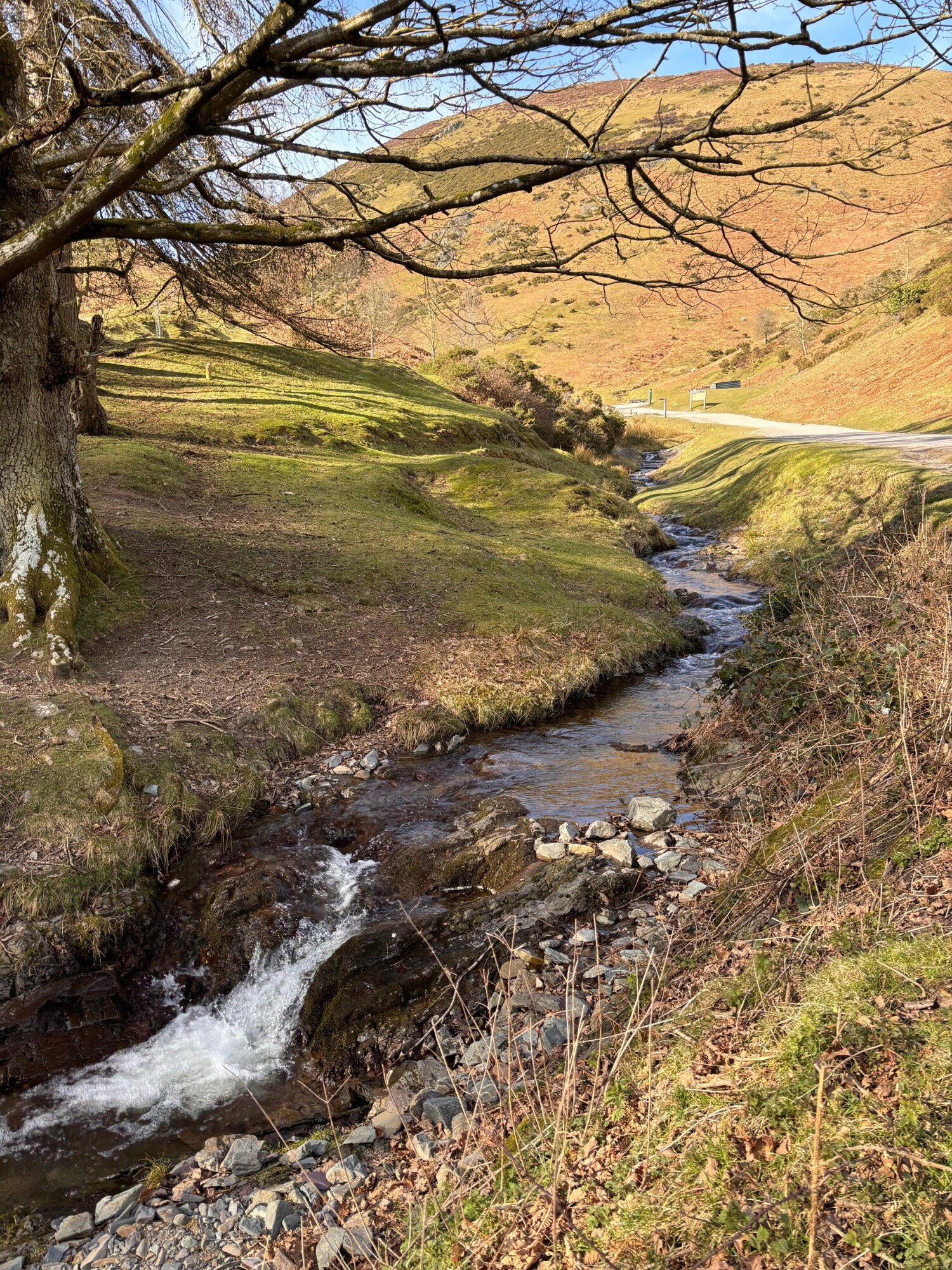
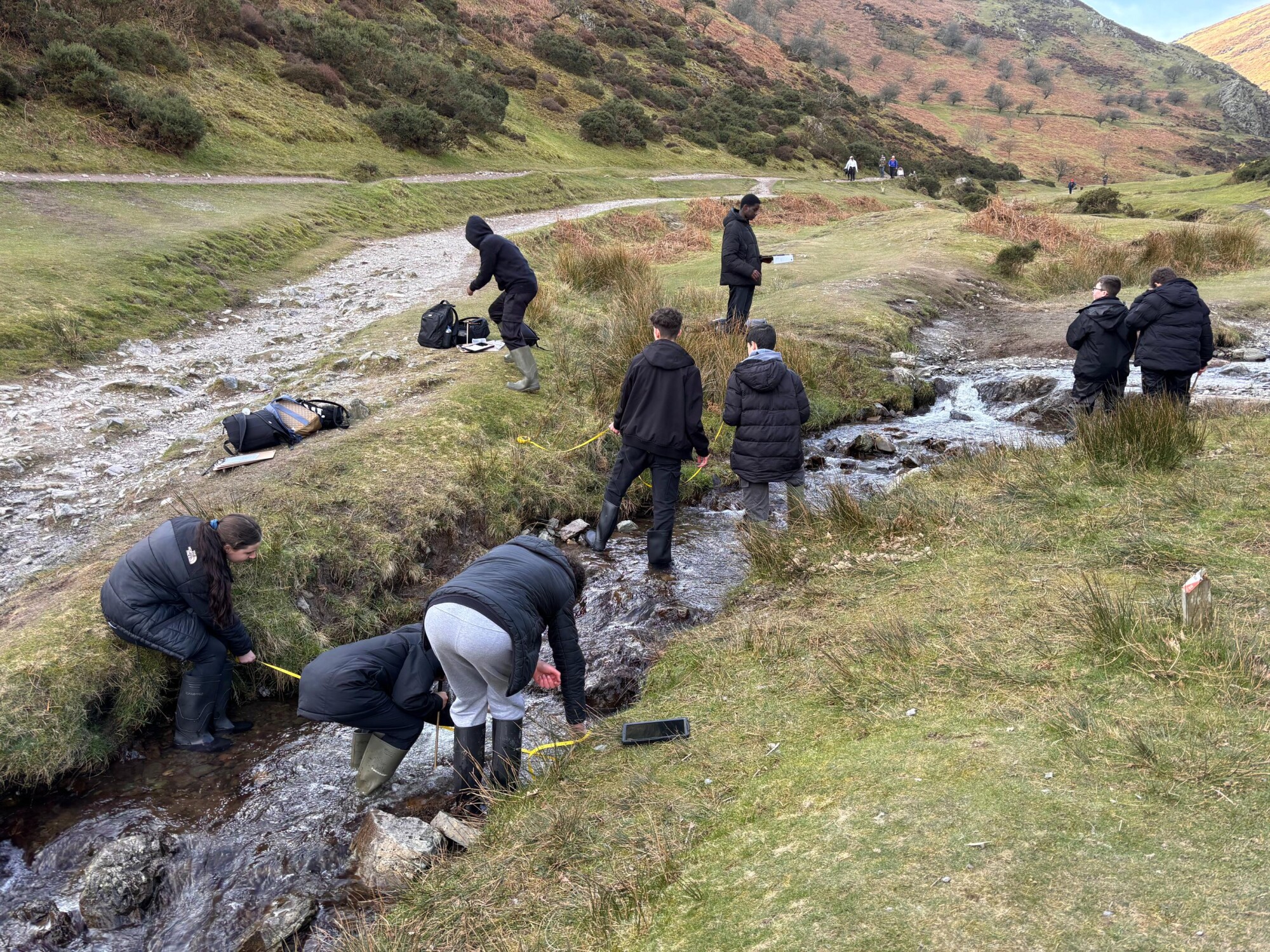
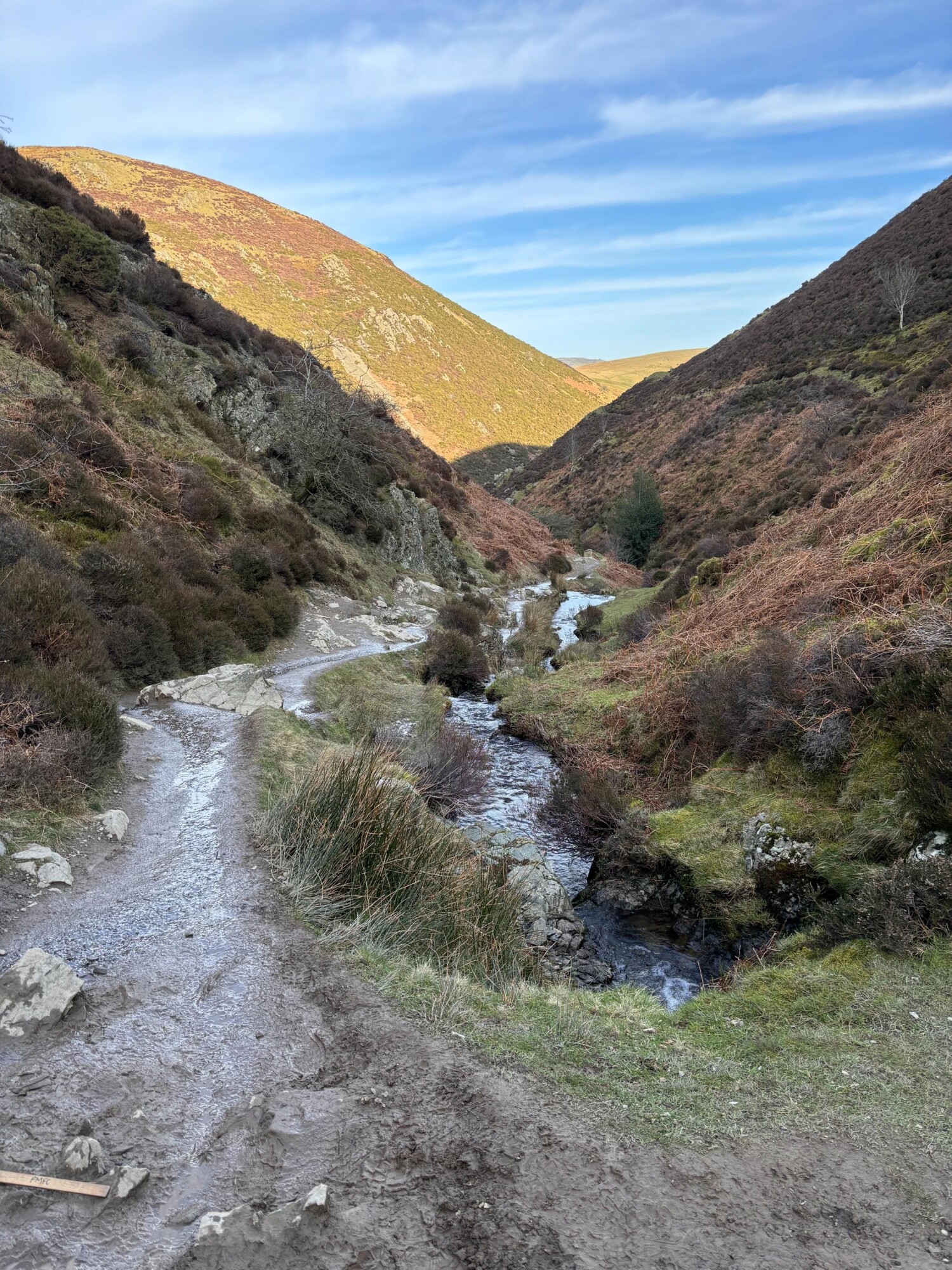
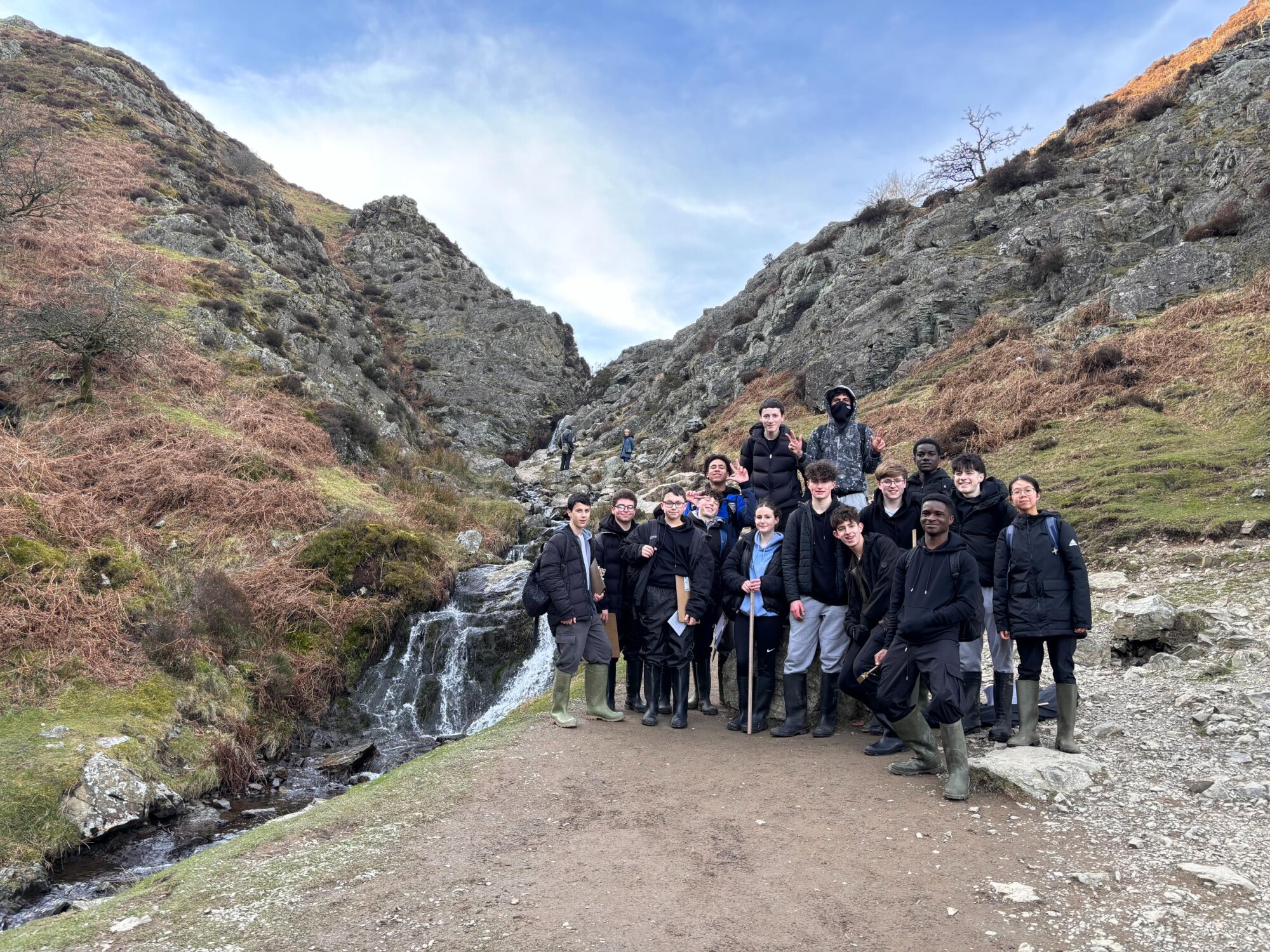
Enquiry – developing geographical skills through fieldwork and research
-
Excellence – striving for high standards in knowledge, presentation and understanding of Geography
Overview of the Curriculum (KS3–KS5)
Key Stage 3
Year 7
Winter Term – World View Upgrader: How We See the World & Making Mapping Connections
Pupils explore common misconceptions about global wealth, development and quality of life. They examine ideas around global inequality, challenge binary views of rich and poor, and develop a more accurate understanding of global development patterns.
Spring Term – Mapping Manchester
Pupils investigate the geographical reasons behind Manchester’s development, from its Roman origins to its role as a global industrial city. They study settlement hierarchy, settlement functions and urban change, while developing essential Ordnance Survey map skills, including grid references, scale, symbols and contour interpretation.
Summer Term – Brilliant Brazil
Pupils explore Brazil’s diverse physical and human geography, including the Amazon rainforest and river system, climate variation, population distribution, ethnic diversity, inequality and sustainability challenges.
Year 8
Winter Term – Iceland: Land of Fire and Ice
Pupils study Iceland’s tectonic setting, volcanic and glacial landscapes, renewable energy use, tourism and economic change, including the impacts of the 2008–2011 banking collapse.
Spring Term – Climate Change
Pupils explore natural and human causes of climate change, past and future climate patterns, impacts at global and UK scales, and strategies for mitigation and adaptation.
Summer Term – Japan: On Shaky Ground
Learning focuses on Japan’s population distribution, development, tectonic hazards, urban heat island effect, ageing population and major earthquake events.
Year 9
Year 9 focuses on Asia, particularly China and India. Pupils build on earlier learning and are introduced to concepts that prepare them for GCSE Geography.
Winter Term – Rising China
Topics include population distribution, development indicators, urbanisation, globalisation, TNCs, the Three Gorges Dam and China’s One Child Policy.
Spring Term – India…Going Boldly
Using India’s space programme as a case study, pupils explore development challenges, multiplier effects, brain drain, weather satellites and the role of technology in development.
Summer Term – Geography Wrapped
Pupils investigate a range of contemporary geographical issues, including ocean plastic pollution, wind energy, climate change misinformation, coastal management, globalisation, piracy in the Indian Ocean and geopolitical tensions.
Key Stage 4 – GCSE Geography (Edexcel A)
The department offers the Edexcel A GCSE Geography course, building on themes studied at Key Stage 3 such as climate change, development and population.
Assessment Structure:
Physical Geography (37.5%)
-
UK landscapes (coasts and rivers)
-
Weather hazards and climate change
-
Ecosystems and biodiversity
Human Geography (37.5%)
-
Changing cities
-
Global development
-
Resource management and energy
Geographical Investigations (25%)
-
Fieldwork investigation
-
UK challenges
Key Stage 5 – A Level Geography (Edexcel)
A Level Geography allows students to explore the interaction between human and physical systems and is recognised as a facilitating subject by Russell Group universities. Students also complete an independent investigation, supported by a four-day residential field course at the end of Year 12.
Areas of Study include:
-
Dynamic Landscapes – tectonic processes; coastal systems
-
Dynamic Places – globalisation; shaping places
-
Physical Systems and Sustainability – water and carbon cycles
-
Human Systems and Geopolitics – superpowers; development and human rights
Assessment Overview:
-
Paper 1 (30%) – Dynamic Landscapes & Physical Systems
-
Paper 2 (30%) – Dynamic Places & Human Systems
-
Paper 3 (20%) – Synoptic investigation
-
Non-Examined Assessment (20%) – Independent investigation
Assessment and Feedback Approach
The department follows the whole-school approach to assessment and feedback. Years 7 and 8 complete end-of-topic assessments, while Years 9–13 follow the school assessment calendar. GCSE and A Level Geography qualifications are assessed entirely through external examinations.
Staff List and Teacher Specialisms
-
Mr T Chappelle – Head of Geography
-
Miss C Ainsworth
-
Mr G Faraday
-
Mr E Sleeman
Examples of Classroom Learning and Student Work
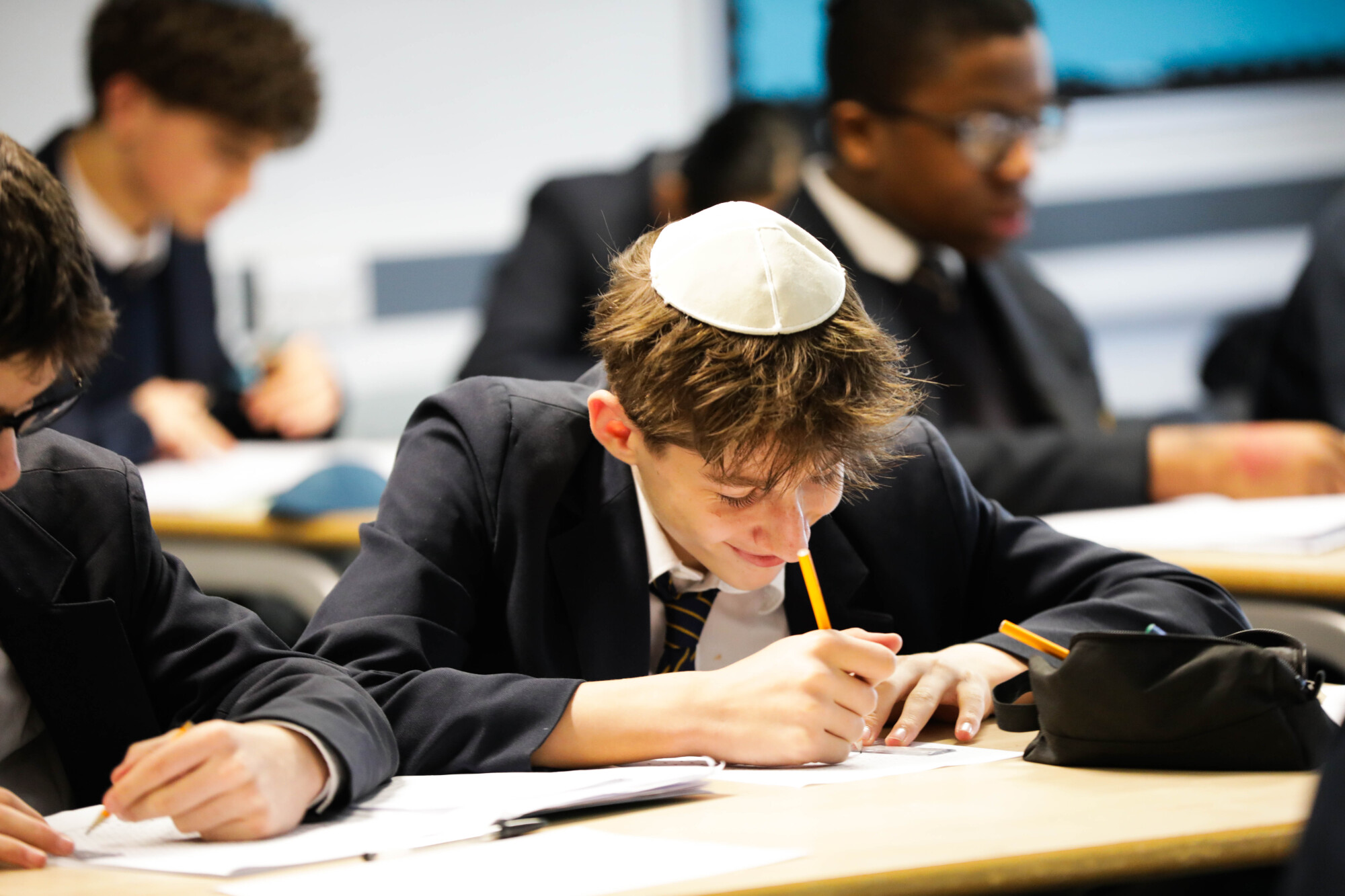
Classroom learning includes enquiry-based lessons, extended writing, data analysis, map skills, fieldwork preparation and investigation work. Student outcomes include written case studies, decision-making exercises and independent research projects.
Resources, Revision Guides & Homework Expectations
Recommended Revision Guides
GCSE
-
Pearson REVISE Edexcel GCSE Geography A
-
CGP Edexcel A GCSE Geography Revision Guide (with online edition)
A Level
-
Pearson Edexcel A Level Geography Student Guide 1: Physical Geography
-
Pearson Edexcel A Level Geography Student Guide 2: Human Geography
Career Pathways Linked to the Subject
Geography develops highly transferable skills valued across many careers, including:
-
Advertising
-
Business
-
Consulting
-
Education
-
Environmental work
-
Finance
-
HR
-
Law
-
Local government
-
Marketing
-
Media
-
Planning
-
Project management
-
Research
-
Sales
-
Social work
Department Achievements
June 2025 A Level Results
-
A*–A: 70%
-
A*–B: 90%
-
A*–C: 100%
June 2025 GCSE Results
-
Grades 9–8: 45%
-
Grades 9–7: 79%
-
Grades 9–4: 97%
Contact Information
Please contact the school office or the Geography Department via the main school email address, admin@kdhigh.co.uk.
Quotes
-
Students Develop an understanding of physical and human conditions on Earth, fostering concern and responsibility.
-
Students Develop an understanding of physical and human conditions on Earth, fostering concern and responsibility.