
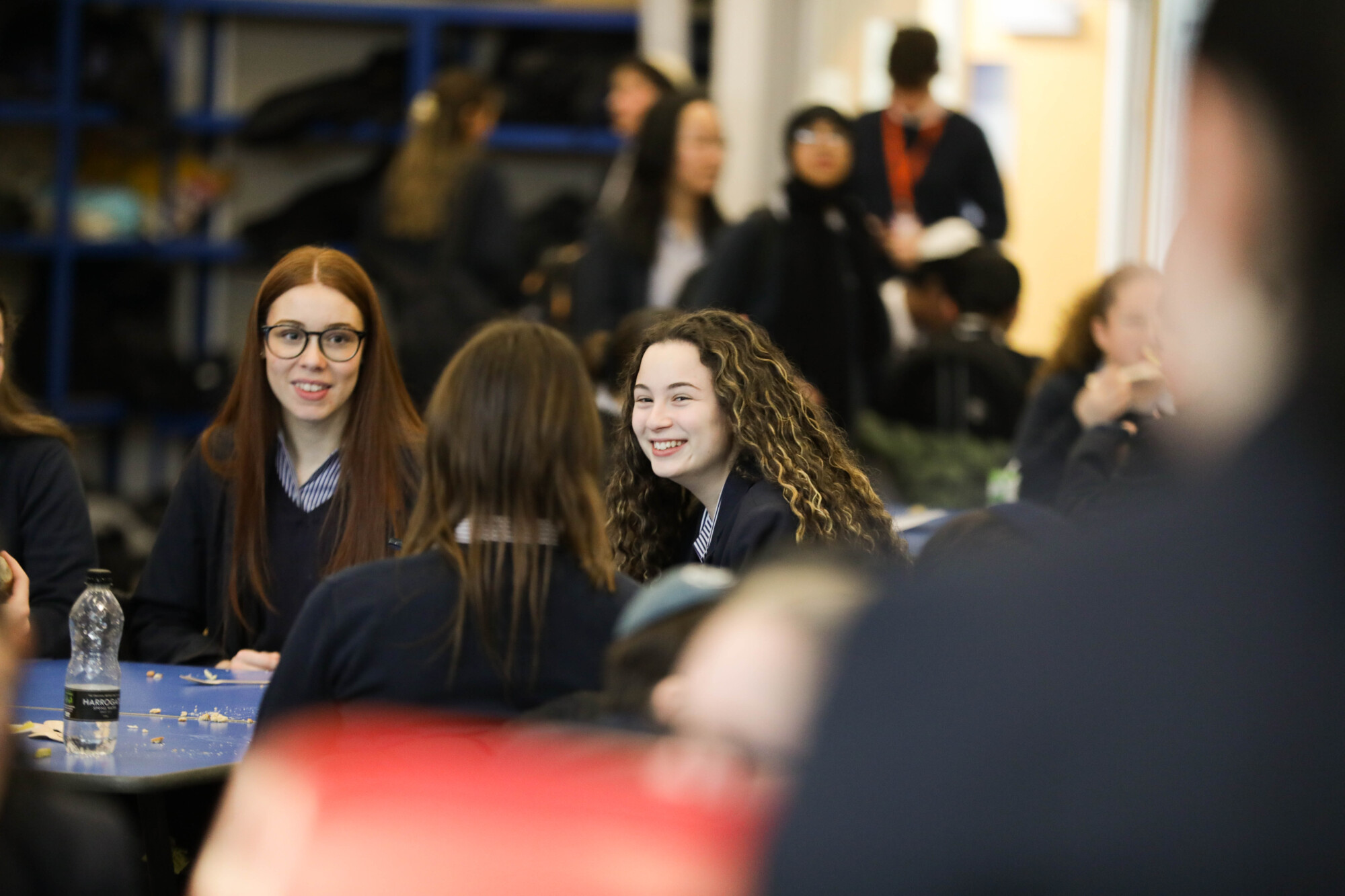
LearningMusic
Text
Music has a powerful and meaningful educational value, with extensive research demonstrating its positive impact on students’ personal, social and academic development. At the King David High School, the Music Department aims to bring these benefits to life through a fun, practical and immersive musical experience.
Music is a subject to be enjoyed regardless of personal taste or prior experience. Our curriculum is designed to engage and inspire students, helping them develop a genuine love of music while nurturing their individual talents as musicians. Through performance, composition and listening, students build confidence, creativity and a strong sense of achievement, whether working independently or as part of an ensemble.
Integral to this ethos is a vibrant programme of instrumental and vocal tuition, extra-curricular activities, performances, workshops with professional musicians and composers, and opportunities to attend live concerts. The department also works closely with the Drama Department to produce a bi-annual school musical.
Overview of the Curriculum (KS3–KS5)
Curriculum Approach
The Music curriculum follows the National Curriculum and is structured around three core musical disciplines:
-
Performance (Practical Musicianship)
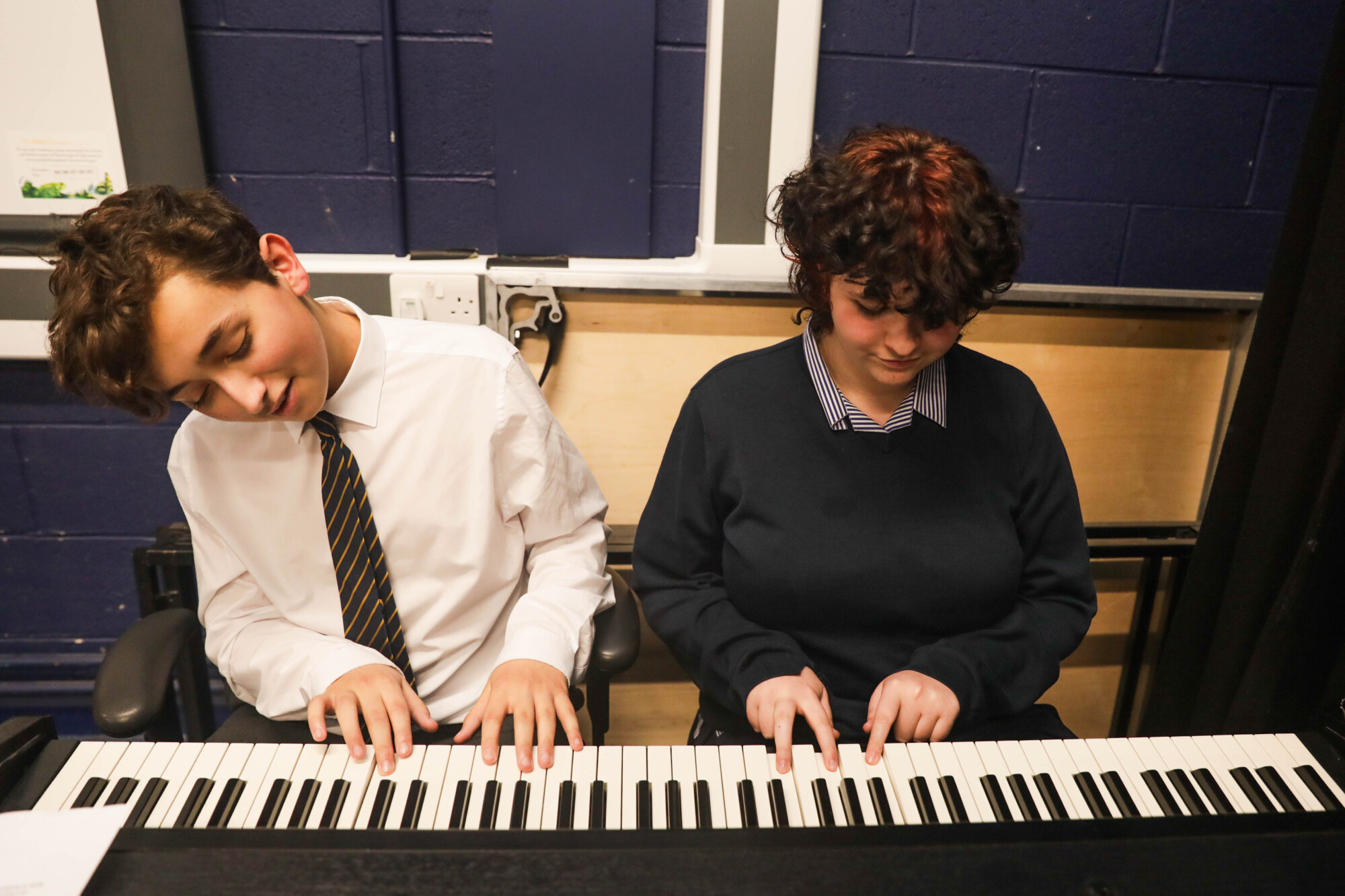
Students develop solo and ensemble performance skills across a range of instruments and voice, learning to evaluate their own work and that of others.
-
Appraising (Analytical Skills)
Students develop critical listening skills, learning how musical elements are used across styles, genres and cultures.
-
Composing (Creativity)
Students use their understanding of musical techniques to compose original music and pastiche pieces using live instruments and music technology.
Across all key stages, students develop:
-
Secure knowledge of the elements of music (including dynamics, rhythm, tempo, texture, metre, tonality, harmony, sonority and instrumentation)
-
Key performance skills such as accuracy, timekeeping and technique
-
The ability to develop musical ideas into cohesive and expressive structures
Key Stage 3
Year 7 – Musical Foundations
-
Term 1: Musical Elements
-
Term 2: Creating Melodies
-
Term 3: Sonority
Year 8 – Musical Styles, Cultures and Genres
-
Term 1: Folk Music
-
Term 2: World Music
-
Term 3: Film Music
Year 9 – Twentieth-Century Styles
-
Term 1: The Blues
-
Term 2: Popular Music and Songwriting
-
Term 3: Electronic Dance Music (EDM)
All students regularly sing and perform using instruments such as keyboards, ukulele, guitar, djembe and classroom percussion. Students are also introduced to music technology, including BandLab, BeepBox, Ableton and MuseScore.
Key Stages 4 and 5
At Key Stages 4 and 5, students follow the Eduqas Music specification. The course allows students to study music in greater depth while maintaining a strong practical focus.
Areas of study include:
-
The Western Classical Tradition
-
Musical Forms and Devices
-
Popular Song since 1960
-
Film Music
-
Ensemble Music (including musicals, jazz/blues and chamber music)
Students compose both free-choice pieces and compositions set by the exam board. Performance assessments include both solo and ensemble performances on an instrument of the student’s choice, including voice and music technology. There is a strong practical emphasis, allowing students to build on individual strengths and musical interests.
Assessment and Feedback Approach
Assessment in Music is ongoing and largely practical, with performance, composition and listening forming the core of assessment across all key stages. Students receive regular verbal and written feedback to support progress, refine technique and develop musical understanding. At examination level, assessment follows the Eduqas specification through a combination of coursework and externally assessed components.
Staff List and Teacher Specialisms
Mr C Rushworth – Head of Music
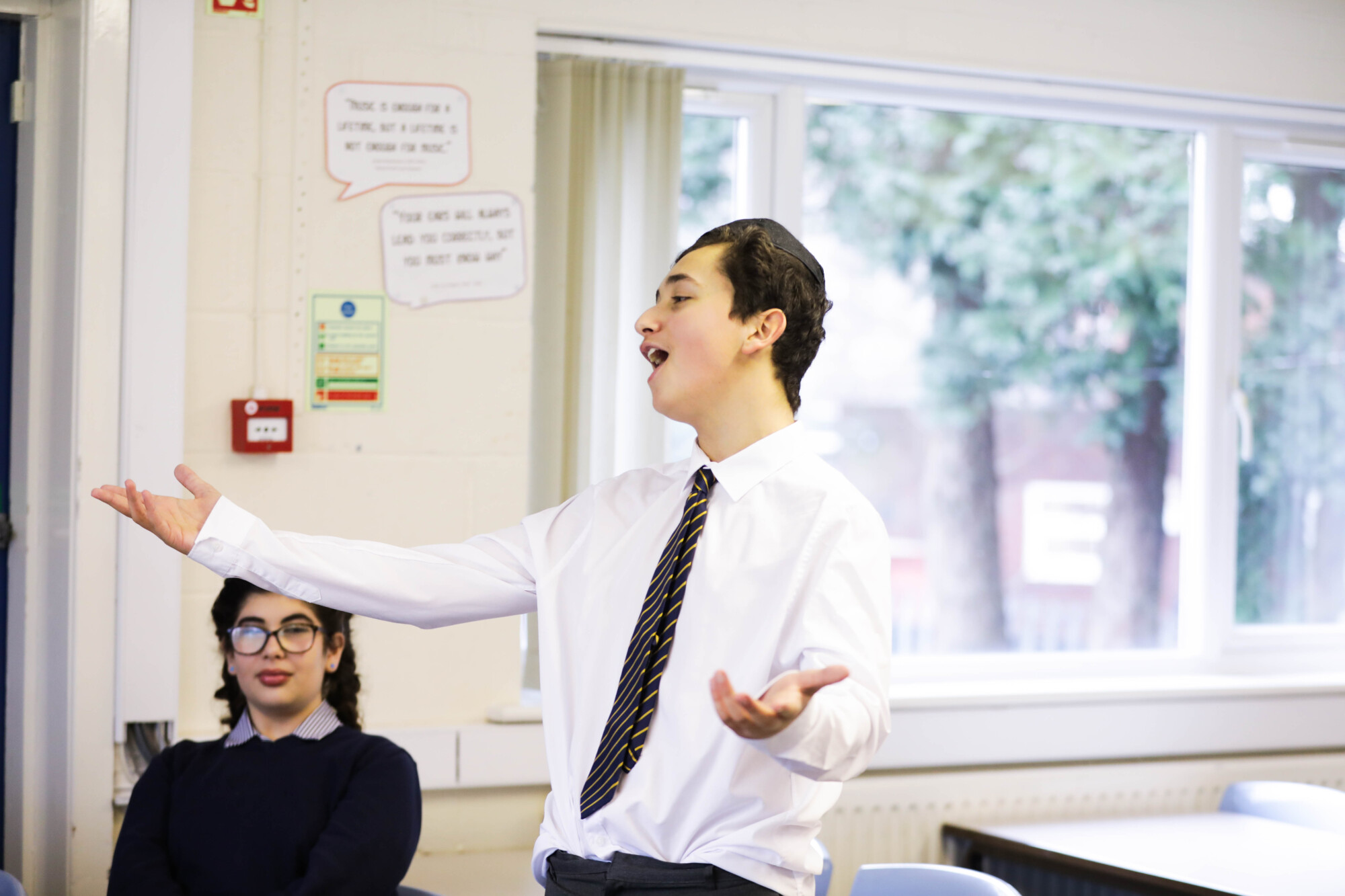
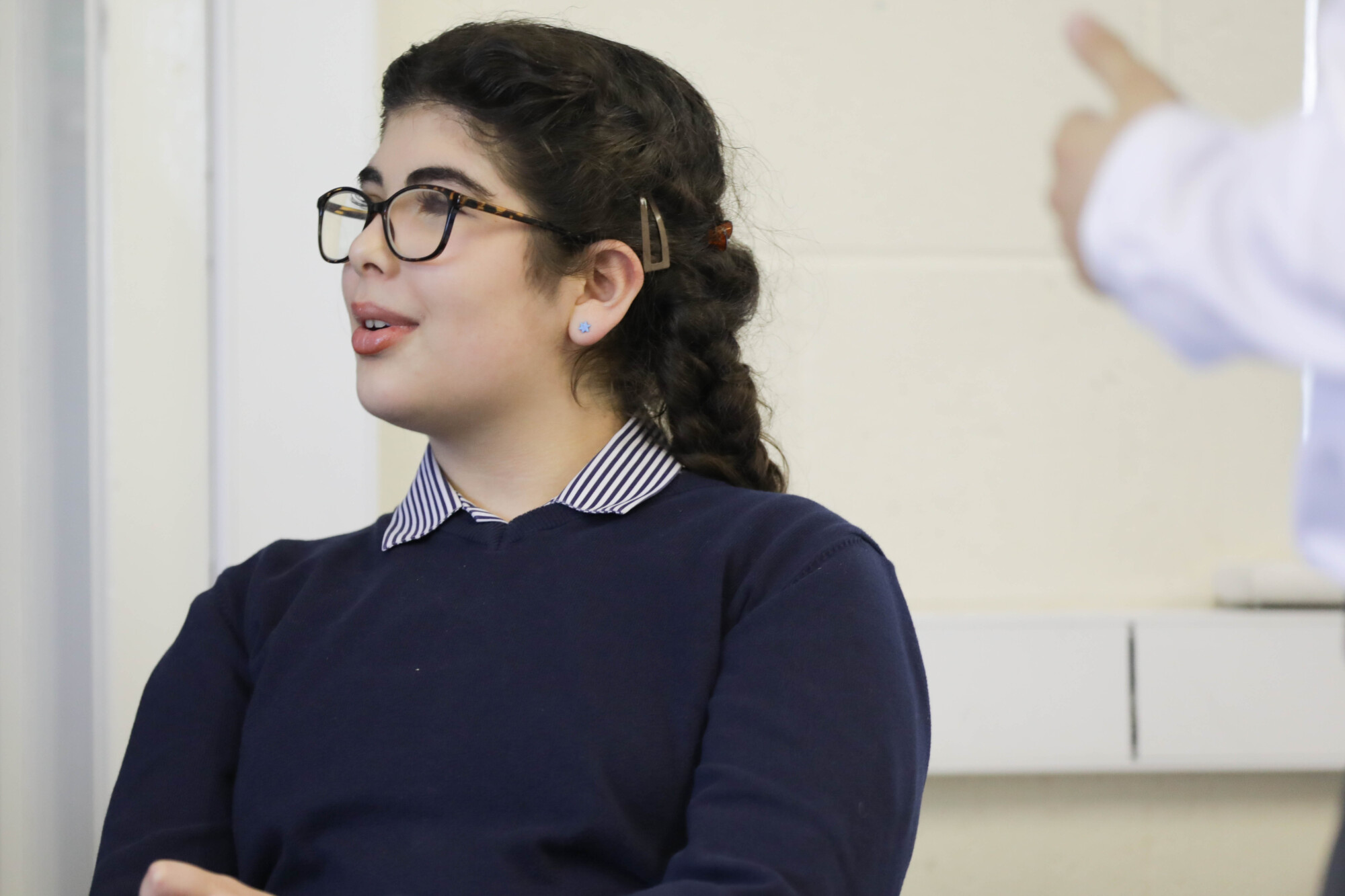
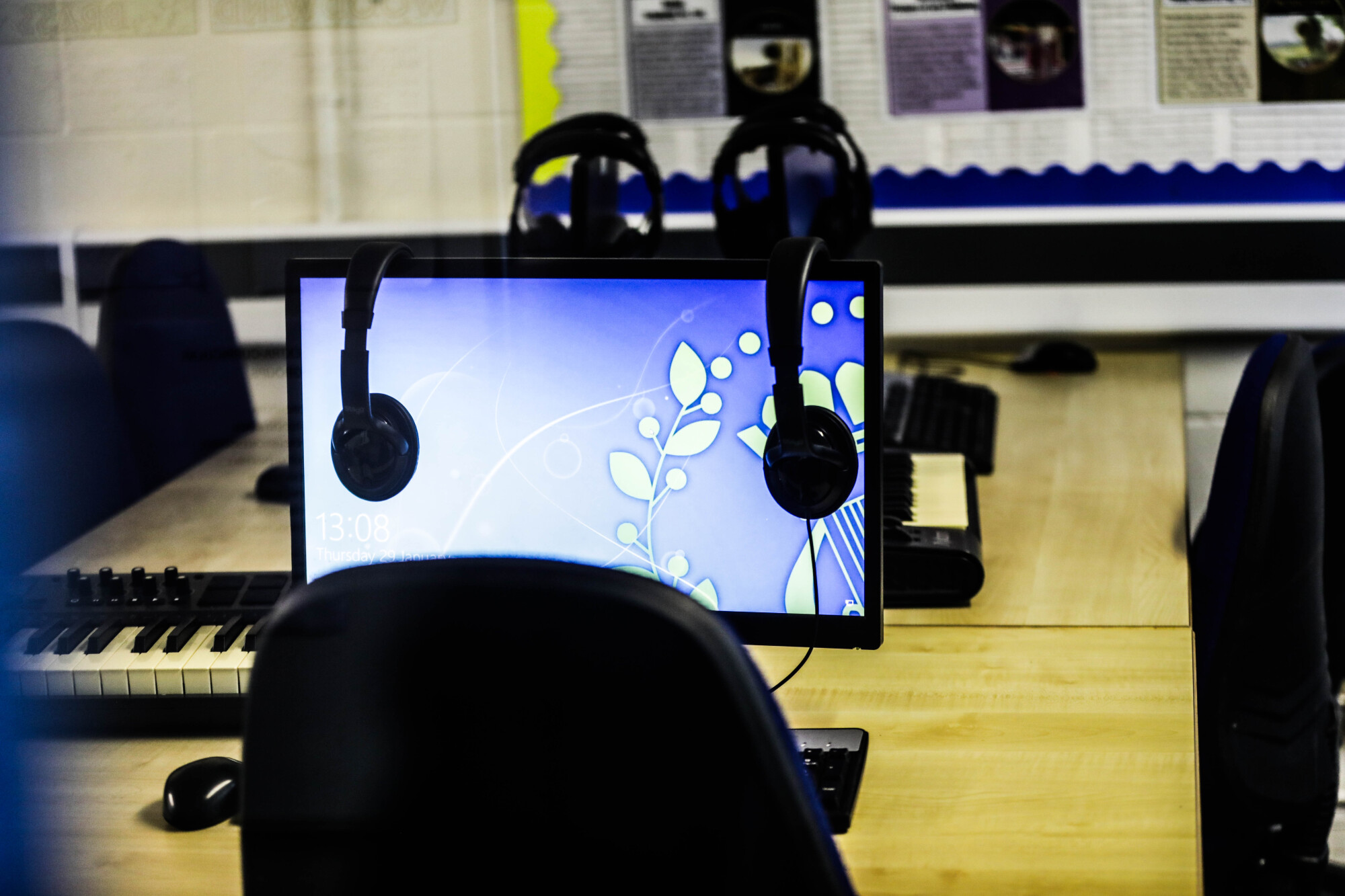
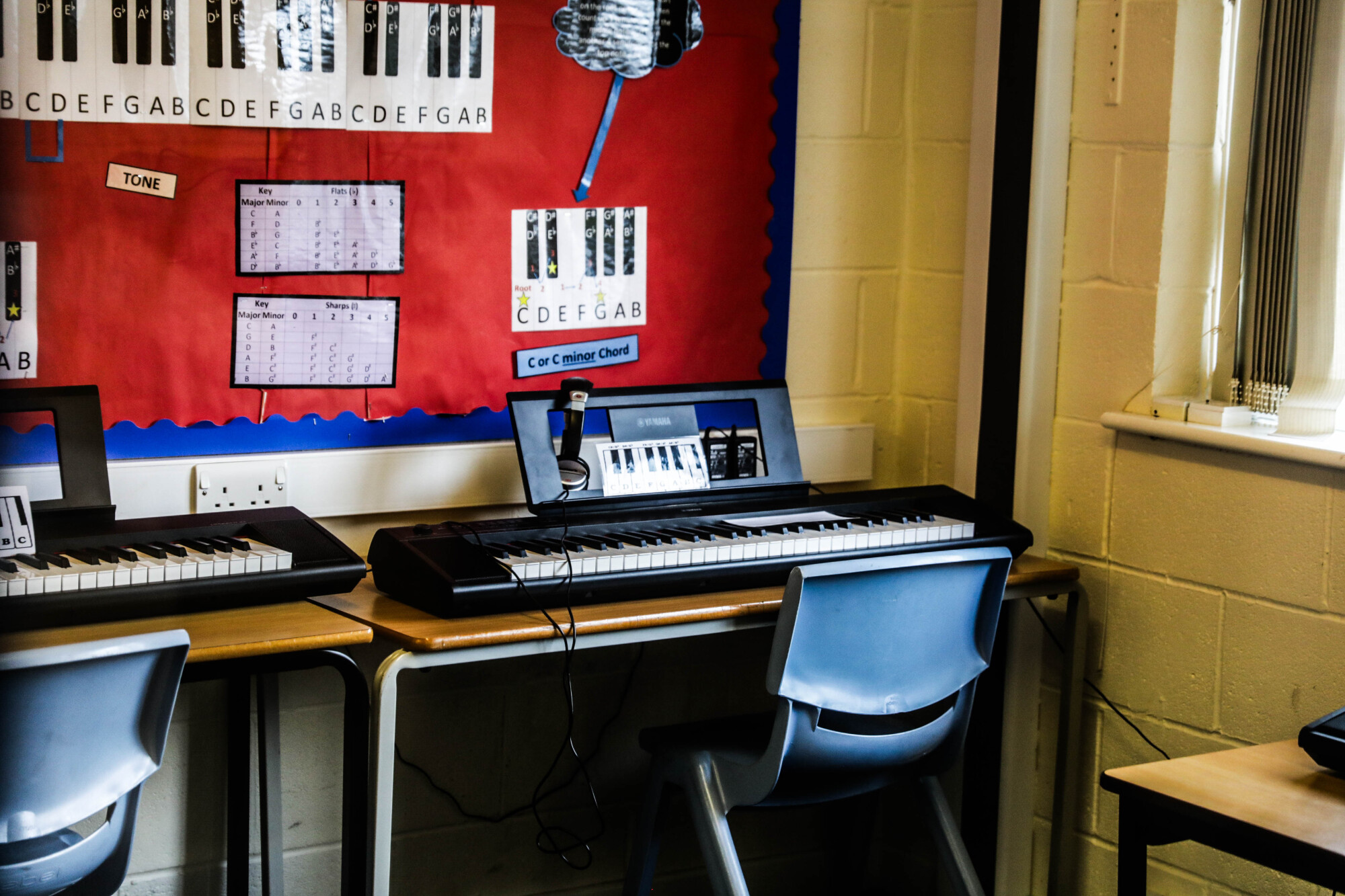
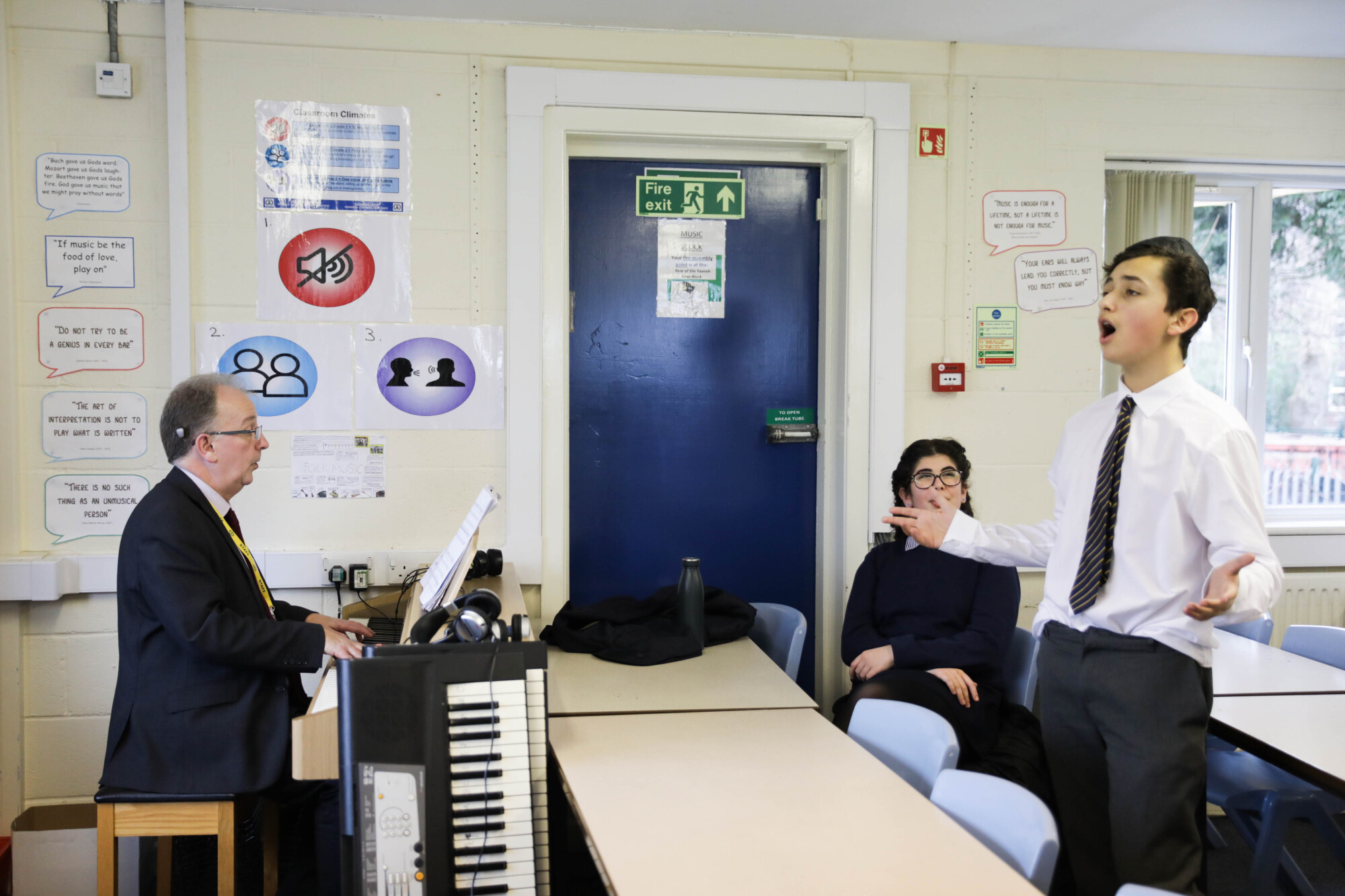
Examples of Classroom Learning and Student Work
Quotes
-
Hans Christian Andersen
Where words fail, music speaks.
Text
Resources, Revision Guides & Homework Expectations
Students have access to a wide range of instruments, music technology software and listening resources to support learning. Homework may include rehearsal practice, listening and analysis tasks, composition development and preparation for performances or assessments.
Extra-Curricular Clubs and Enrichment Opportunities
The department offers a wide range of extra-curricular opportunities, with rehearsals taking place before school and at lunchtime, including:
-
Orchestra
-
Guitar Group
-
String Group
-
Percussion Ensemble
-
Senior Choir
-
Year 7 Choir
-
Keyboard Club
-
Various bands and ensembles
Students also benefit from workshops, performances and concert visits, as well as opportunities to take part in the school musical.
Instrumental and Vocal Tuition
The Music Department offers instrumental and vocal tuition through visiting peripatetic tutors. Tuition is available in:
-
Piano
-
Flute
-
Clarinet
-
Saxophone
-
Violin / Viola
-
Cello
-
Guitar (acoustic and electric)
-
Percussion (drum kit)
-
Brass (trumpet)
-
Singing
Students receive 10 lessons per term on a weekly rota basis.
Career Pathways Linked to the Subject
Music develops a wide range of transferable skills, including creativity, discipline, teamwork, communication and confidence. These skills support progression into careers in music performance, composition, music technology, teaching, arts management and the creative industries, as well as complementing pathways in education, media and wider professional fields.
Department Achievements
The Music Department is proud of its strong participation in performances, ensembles and productions, alongside students’ musical progress and engagement across all key stages.
Contact Information
For further information about the Music Department, please contact the school office or the Head of Music, Mr Rushworth.
“Where words fail, music speaks.” — Hans Christian Andersen