

LearningScience
Text
Our Science curriculum is designed to be clear, ambitious and inclusive, with the aim of providing all students with the knowledge, skills and cultural capital they need to succeed in life. We want students to develop both depth and breadth of understanding, enabling them to pursue Science beyond Key Stages 4 and 5 if they wish.
Our curriculum is wide as well as deep. We believe the strongest foundation for understanding science lies in a secure grasp of the core knowledge that underpins all scientific disciplines. This allows students to build powerful knowledge over time and to appreciate how science is integral to their everyday lives, enabling them to know and remember more.
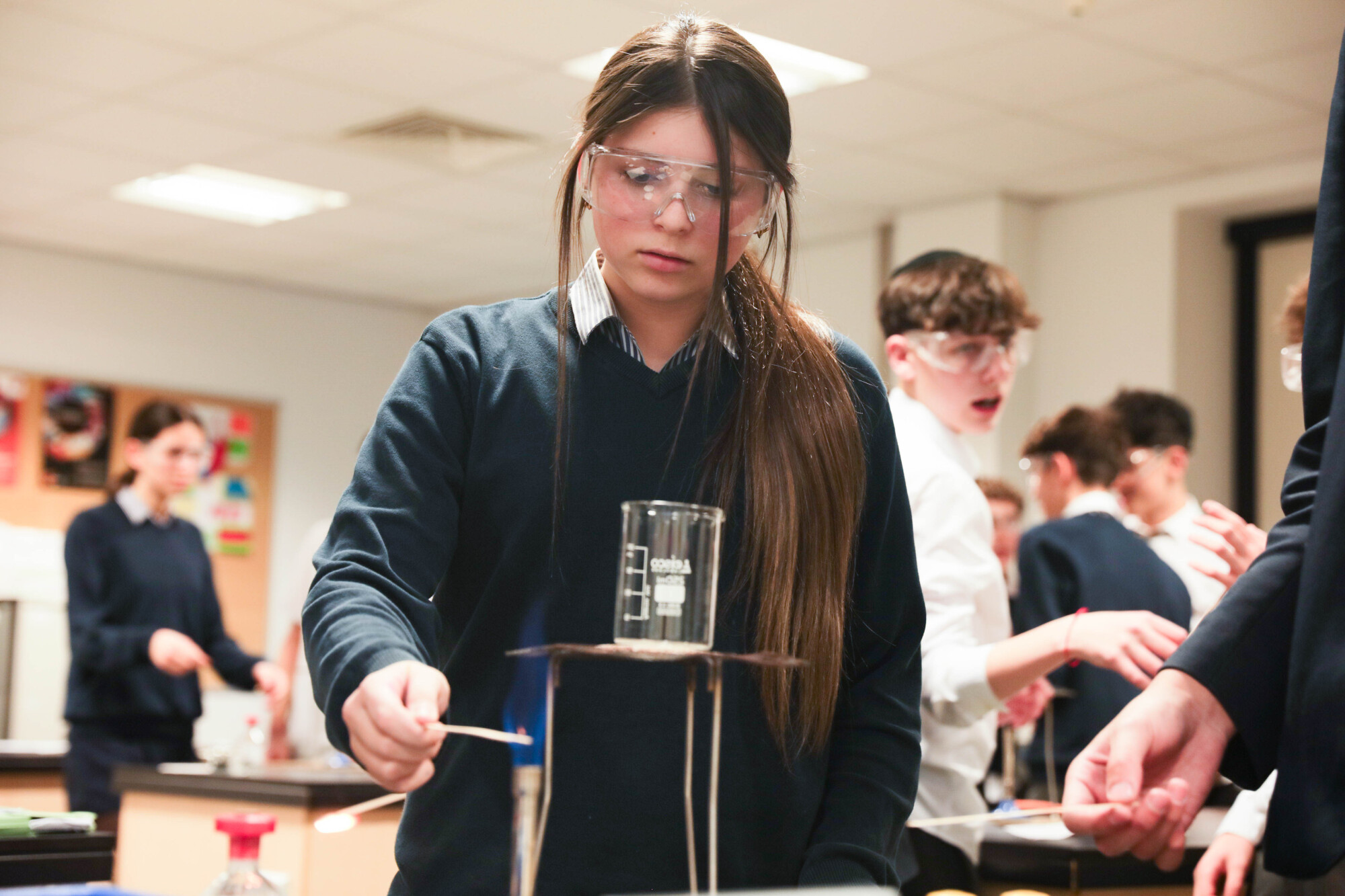
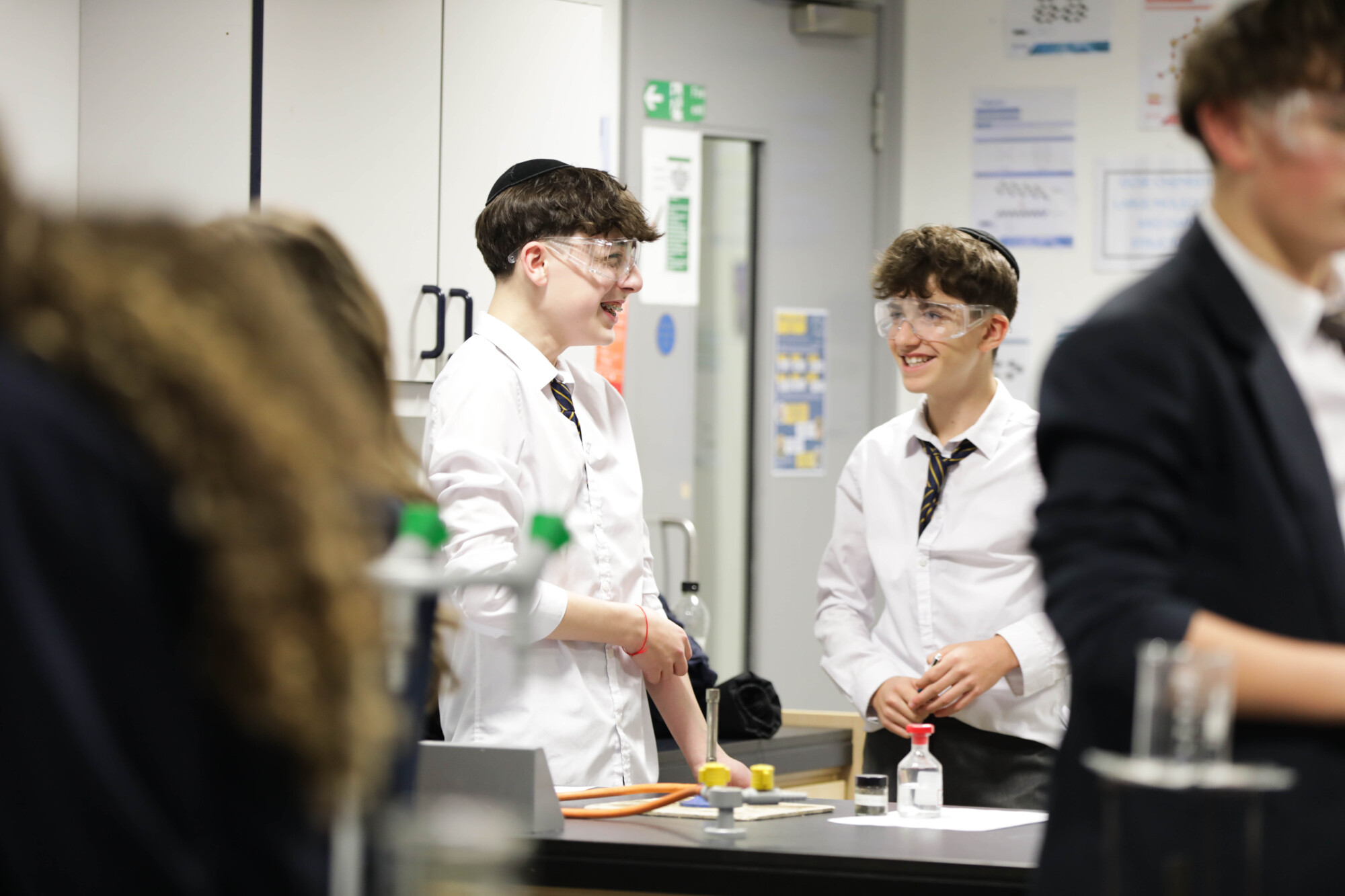
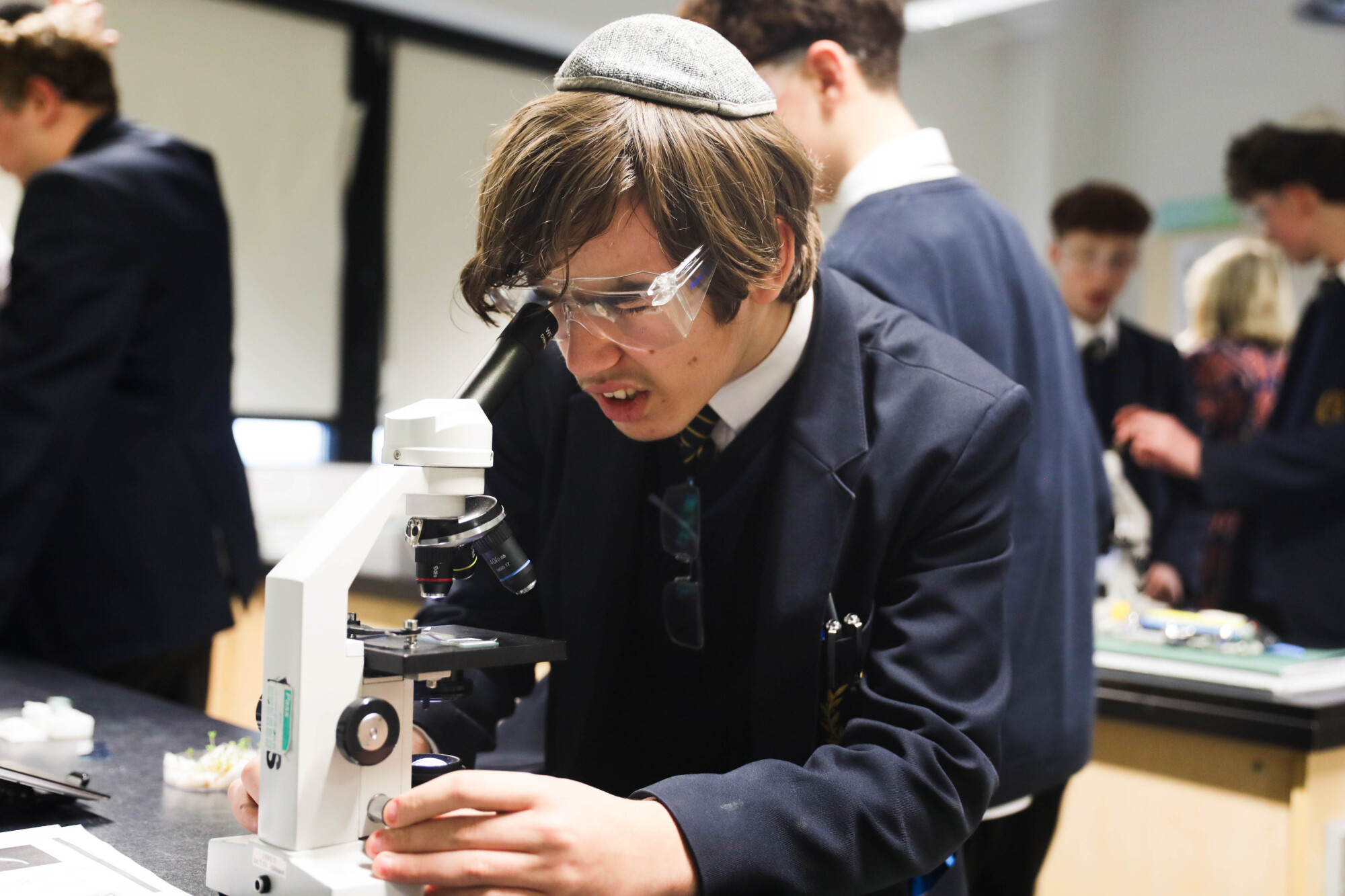
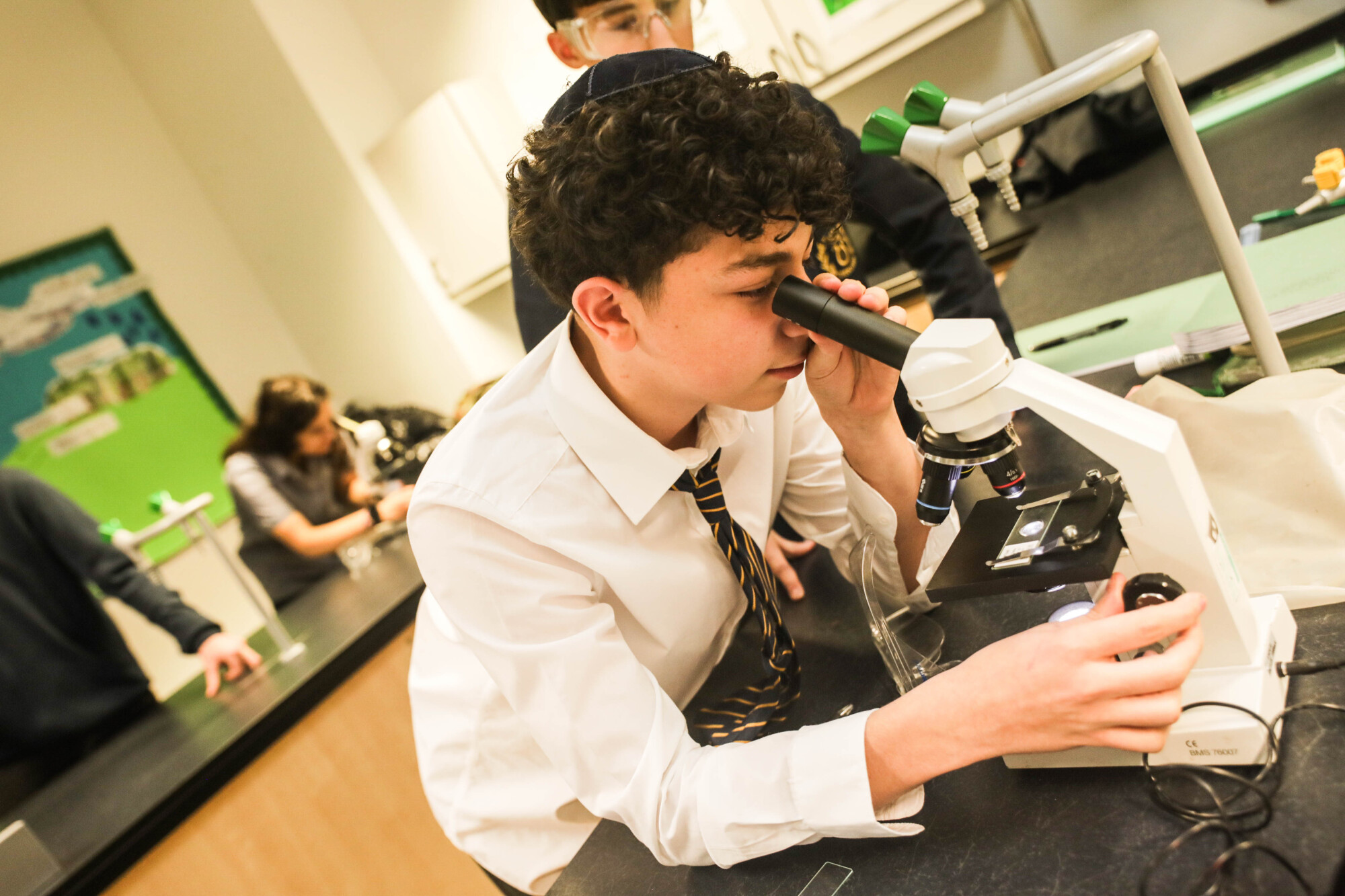
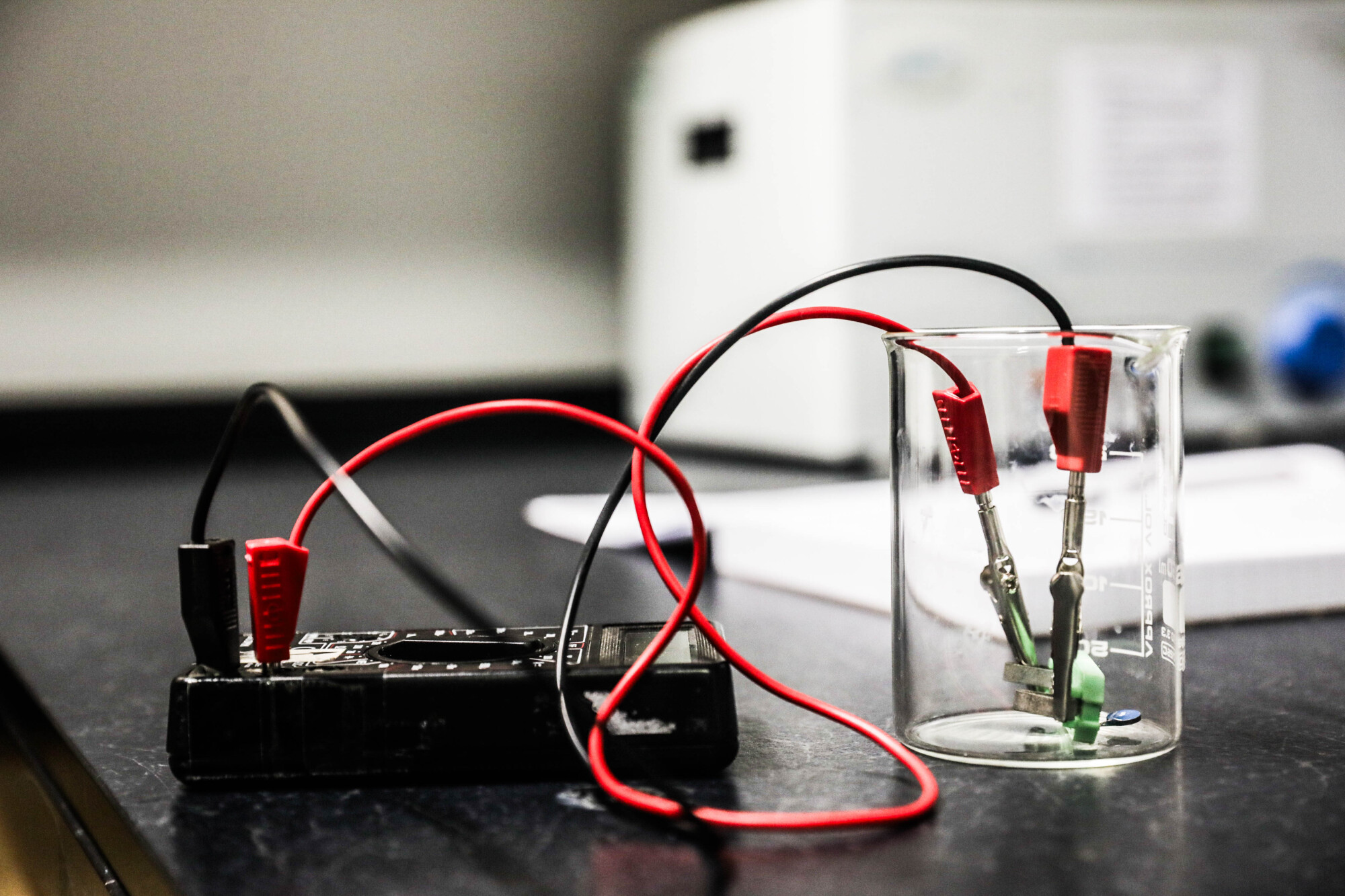
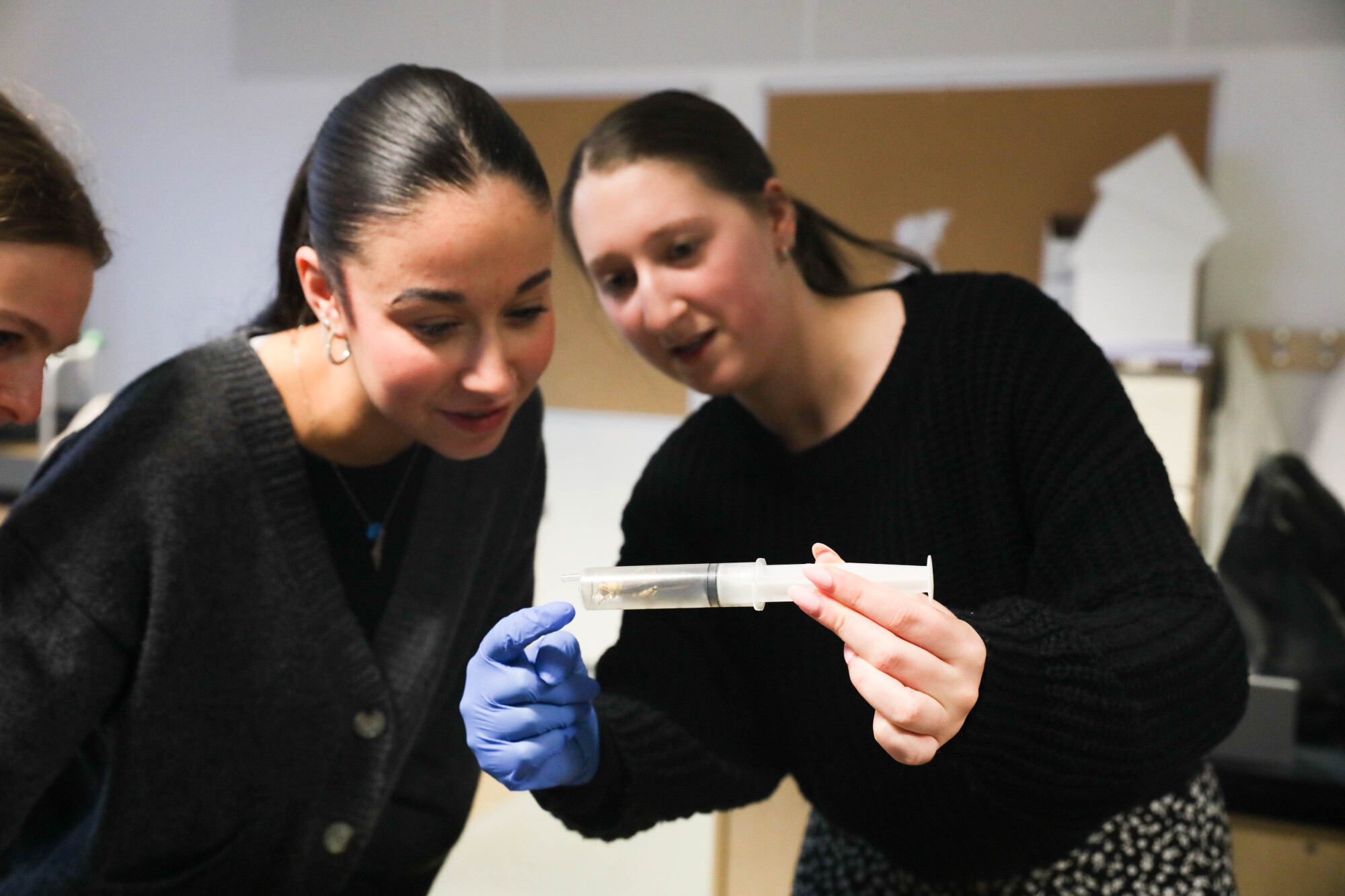
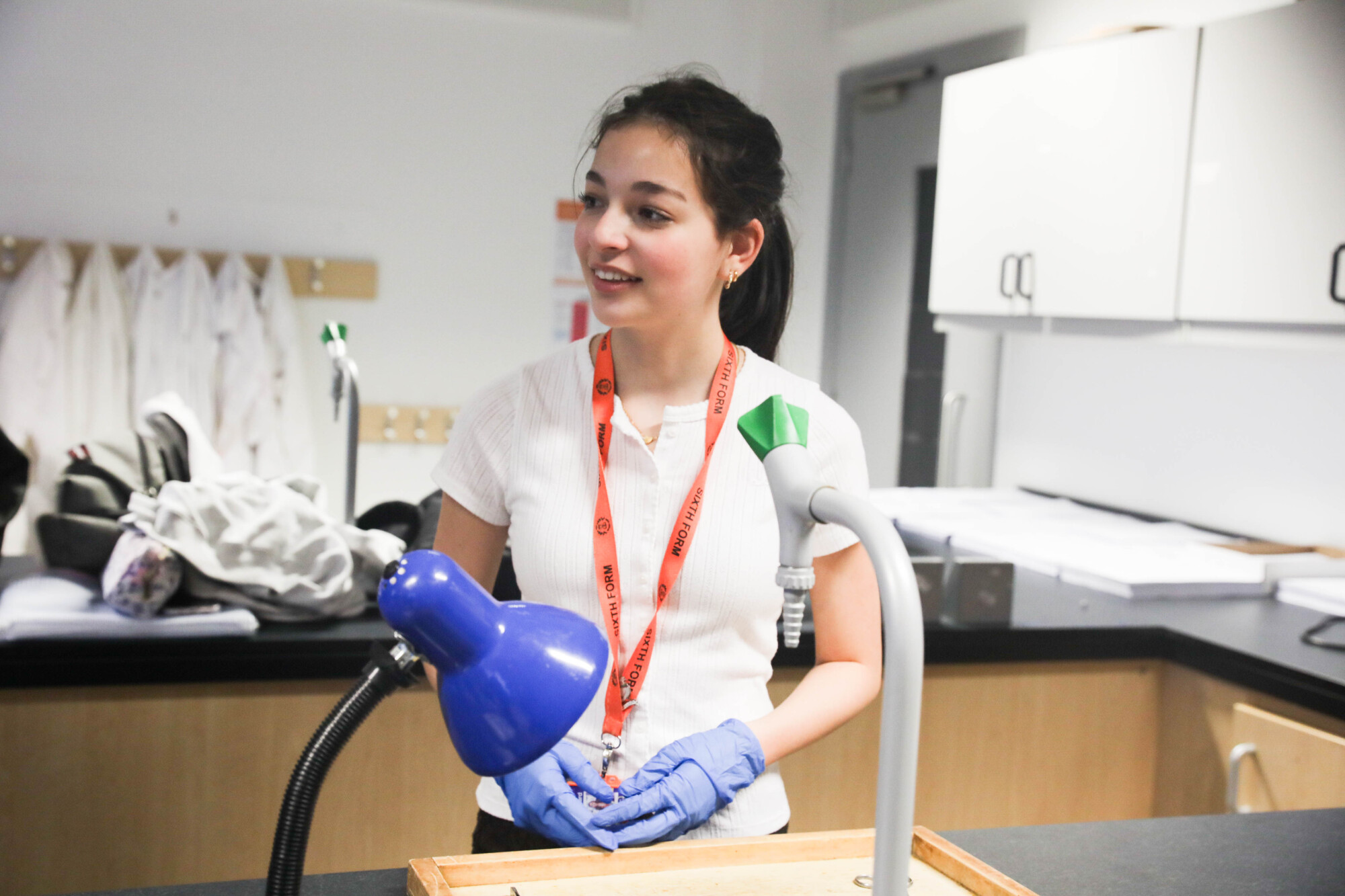
Disciplinary knowledge underpins much of the scientific understanding we teach, and this is emphasised throughout the curriculum. Practical experimentation is fundamental to the nature of Science, allowing students to experience the resilience and perseverance required to succeed while also providing engaging, hands-on learning opportunities.
All students at King David High School study Science from Year 7 to Year 11. At Key Stage 5, Science subjects are optional, but the department typically has strong uptake at A Level.
Overview of the Curriculum (KS3–KS5)
Key Stage 3
The National Curriculum for Science underpins our curriculum in Years 7 and 8 and the first term of Year 9.
-
Years 7 and 8: Six 1-hour lessons per fortnight, taught by one teacher
-
Year 9: Seven 1-hour lessons per fortnight, taught by three specialist teachers (Biology, Chemistry and Physics)
Key Stage 4
Key Stage 4 Science begins from Year 9, Term 2. The curriculum follows AQA specifications for Biology, Chemistry, Physics and Combined Science (Trilogy).
Approximately two-thirds of students study Triple Science, while around one-third follow Combined Science.
Year 9:
-
Seven 1-hour lessons per fortnight, taught by three teachers
-
Triple Science: 15 lessons per fortnight
-
Combined Science: 12 lessons per fortnight
Years 10 and 11:
-
Triple Science: 15 × 1-hour lessons per fortnight, taught by three teachers
-
Combined Science: 12 × 1-hour lessons per fortnight, taught by two or three teachers
Key Stage 5
Key Stage 5 Science is taught from the start of Year 12 and follows AQA specifications for Biology, Chemistry and Physics.
Classes are typically taught by two specialist teachers, with each subject receiving 10–11 hours of teaching per fortnight.
Assessment and Feedback Approach
The Science Department follows the whole-school approach to assessment and feedback.
-
Years 7 and 8: End-of-topic tests for each section of learning
-
Years 9–13: Assessment follows the school assessment calendar
All GCSE and A Level Science qualifications are assessed entirely through external examinations at the end of the course.
Staff List and Teacher Specialisms
Teaching Staff
-
Miss S Hirst – Head of Department
-
Mrs N Cheetham – Second in Department
-
Mr S Conroy
-
Mr P Curati
-
Mrs V Dansey
-
Mr M Gandolfi
-
Mr J Martin
-
Mr J Oles
-
Mr C Thair
-
Mrs M Turner
-
Mr S Yadav
Technicians
-
Mrs E Thorpe – Head Technician
-
Miss A Ashfaq – Lab Technician (Maternity Cover)
-
Mrs D Burdaky – Lab Technician
-
Mrs J Sahile – Lab Technician
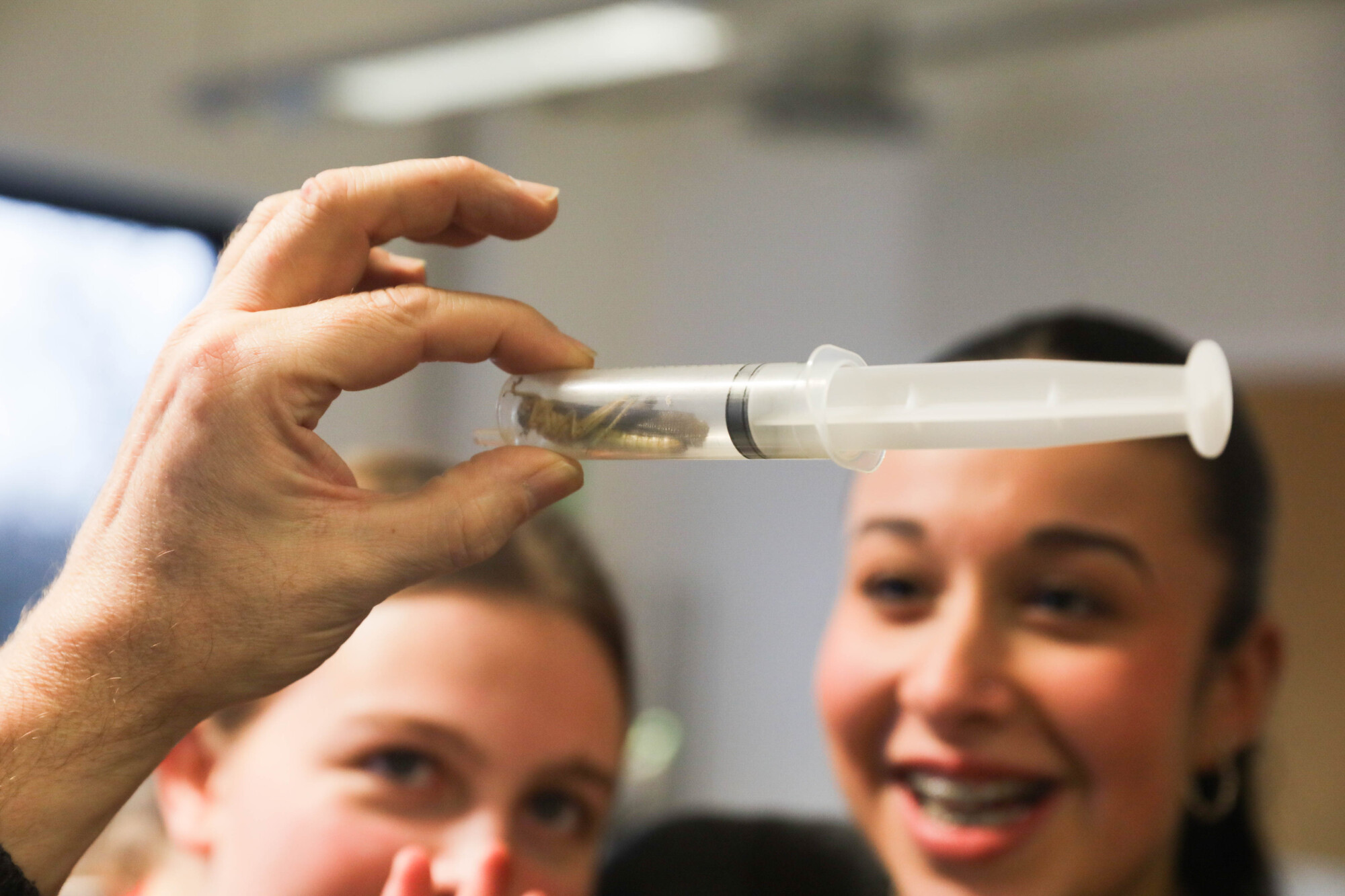
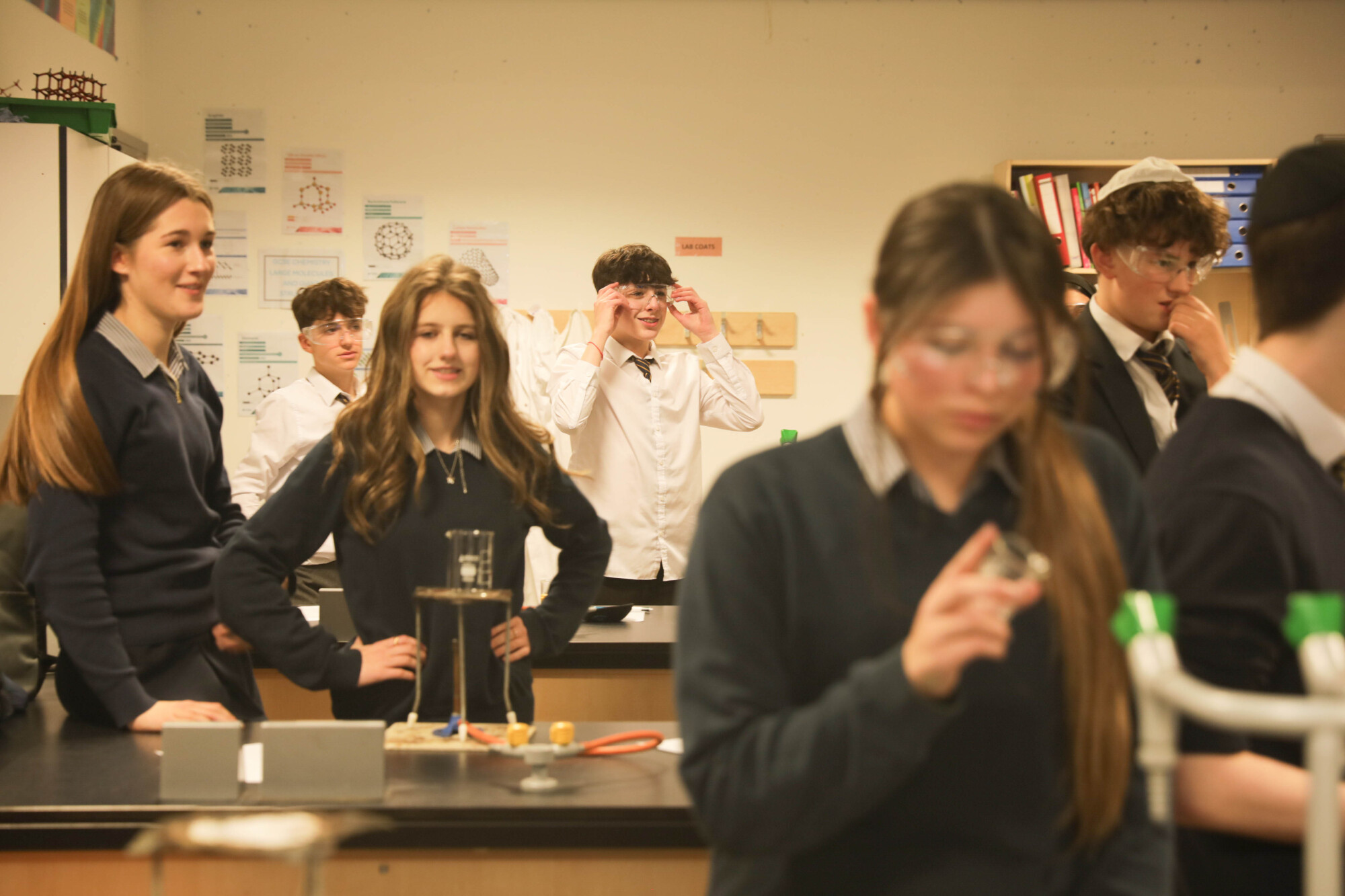
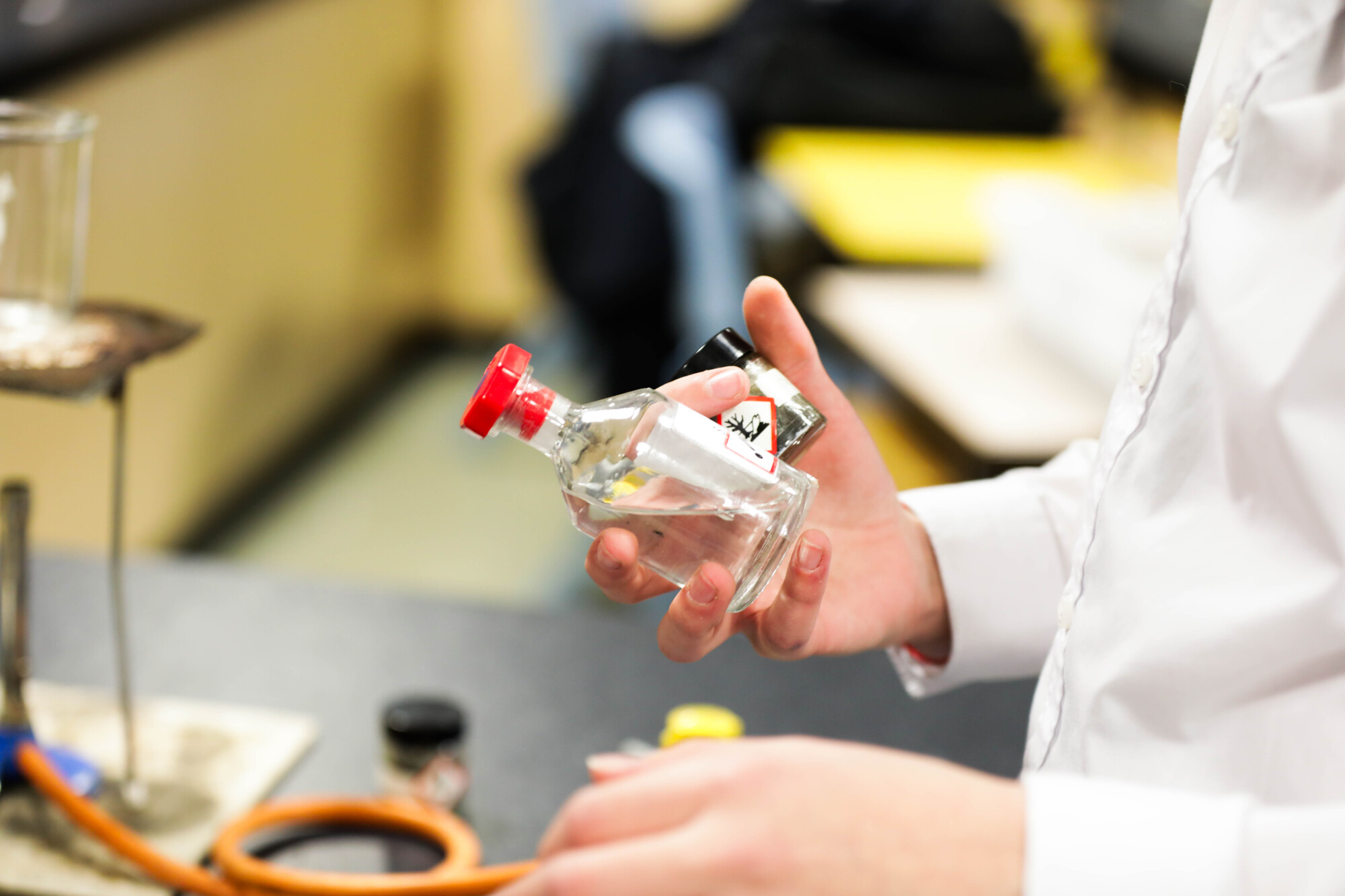
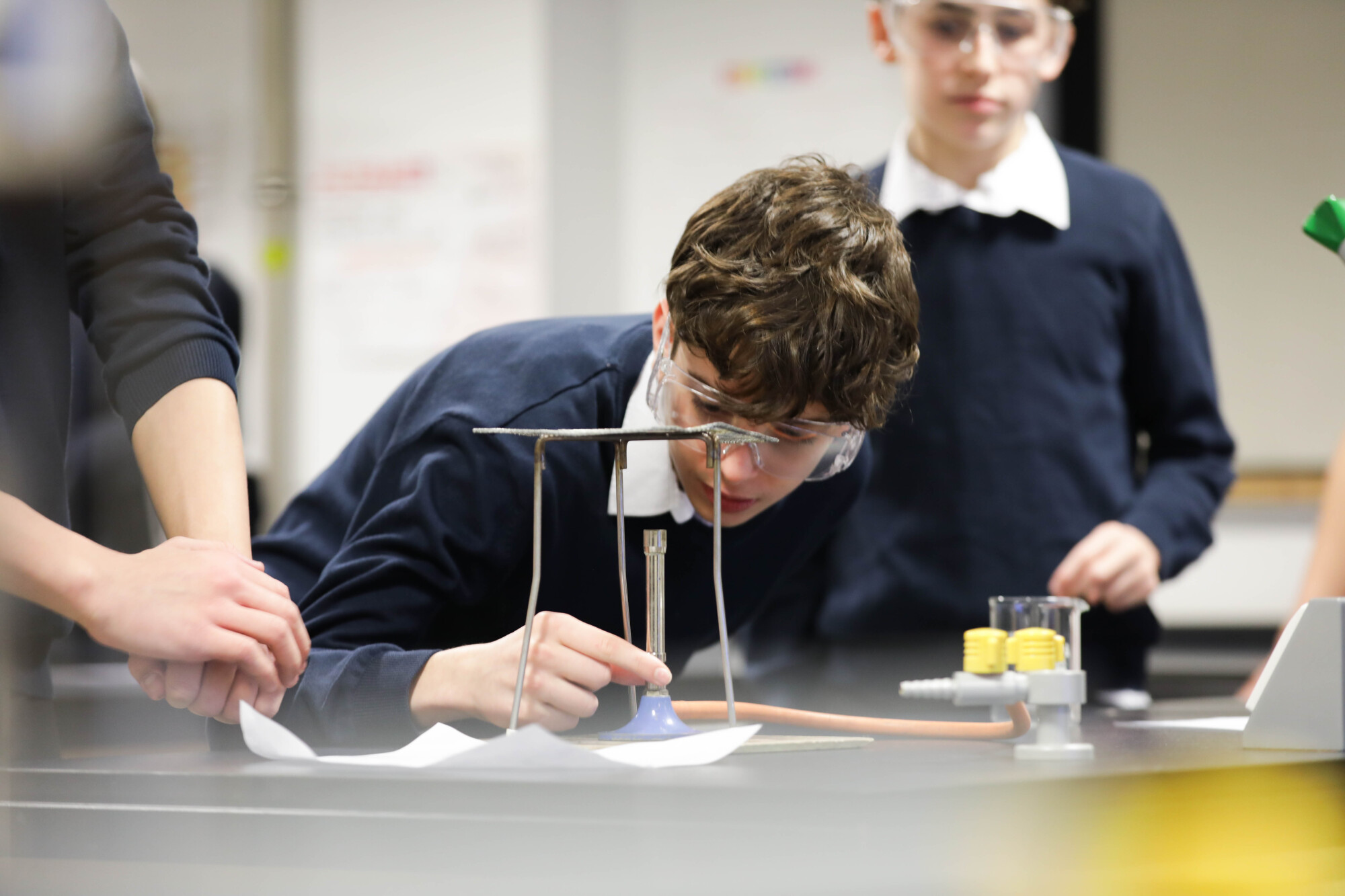
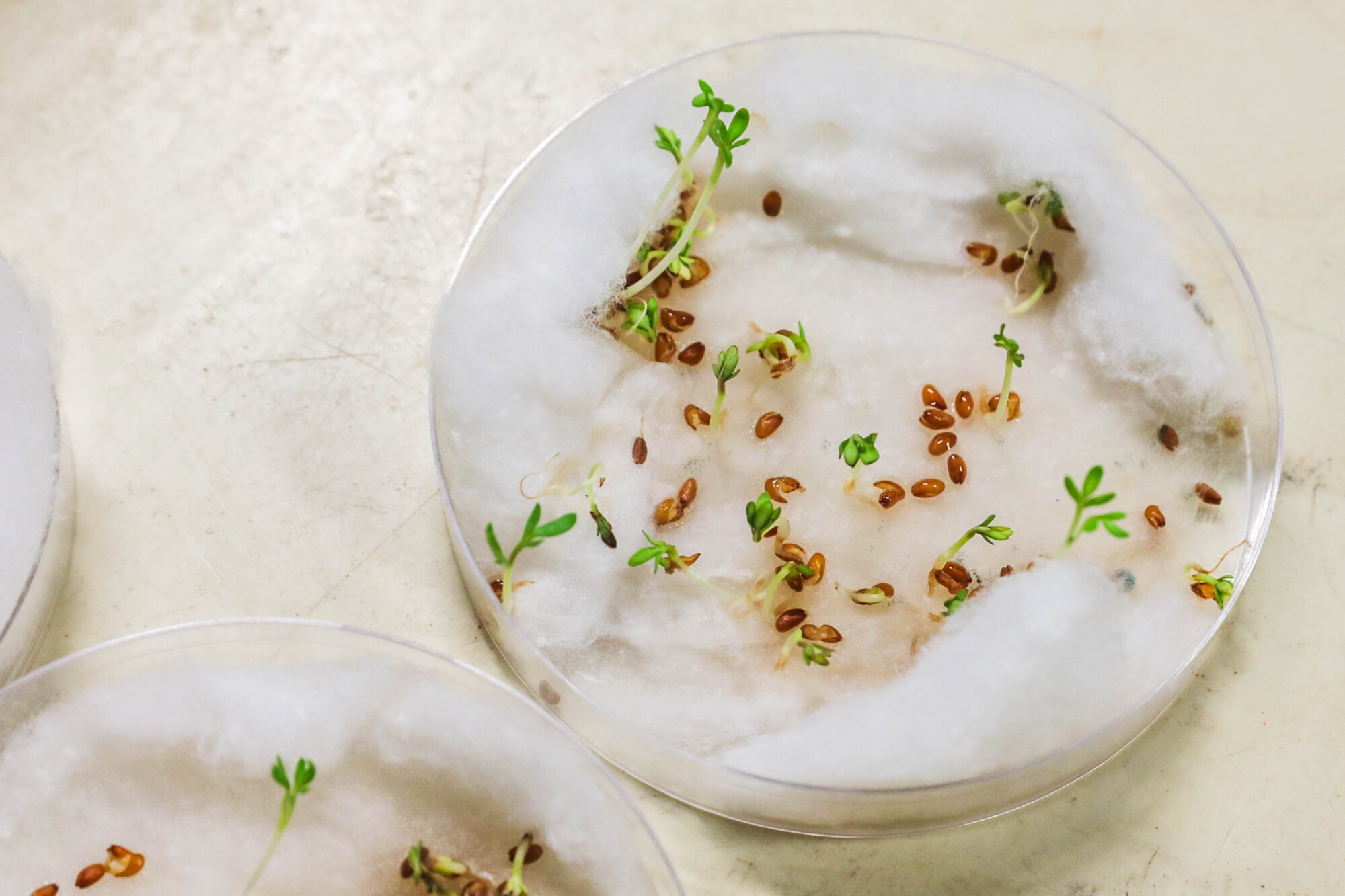
Examples of Classroom Learning and Student Work
Quotes
-
Albert Einstein
The important thing is to never stop questioning.
Text
Resources & Revision Guides
Recommended revision guides include:
-
CGP AQA Science
-
Oxford Revise for AQA
Subject-specific online resources are available to students through their school Office 365 accounts:
Biology
-
GCSE Biology Revision Resources
-
GCSE Dual Biology Revision Resources
Chemistry
-
GCSE Chemistry Revision Resources
-
GCSE Dual Chemistry Revision Resources
Physics
-
GCSE Physics Revision Resources
-
Physics Practice Booklets
-
GCSE Dual Physics (Higher and Foundation)
Additional recommended resources:
-
Physics and Maths Tutor (PMT) – notes and practice questions
-
Free Science Lessons – GCSE-aligned instructional videos
-
AQA Past Papers – exam papers and mark schemes
-
Cognito Science – interactive revision resources
Extra-Curricular Clubs and Enrichment Opportunities
-
Year 12 Science Writing Project
-
Year 10 Young Science Writer Award
-
Isaac Physics Senior Challenge and mentoring scheme
-
Chemquiz competitions
Career Pathways Linked to the Subject
Degrees and Apprenticeships pursued by former students include:
-
Marine Biology
-
Neuroscience
-
Biochemistry
-
Physics
-
Chemistry
-
Biology
-
Medicine
-
Dentistry
-
Veterinary Science
-
Natural Sciences
-
Pharmacy
-
Physiotherapy
-
Nutrition
-
Aerospace Engineering
-
Chemical Engineering
-
Jaguar Land Rover Apprenticeships
-
Dental Nursing
-
Midwifery
-
Nursing
Career pathways include:
-
Healthcare professions
-
Research Science
-
Engineering
-
Patent Law
-
Doctoral Research (PhD)
-
Accountancy
-
Beauty and Make-Up Artistry
-
Asset Management
-
Architecture
Department Achievements
-
First Lego League – Best Robot Design (2022)
-
Chemquiz – Best Teamwork Award (2025)
-
Young Science Writer Award – Runner Up (2025)
Contact Information
For further information about the Science Department, please contact the school office.